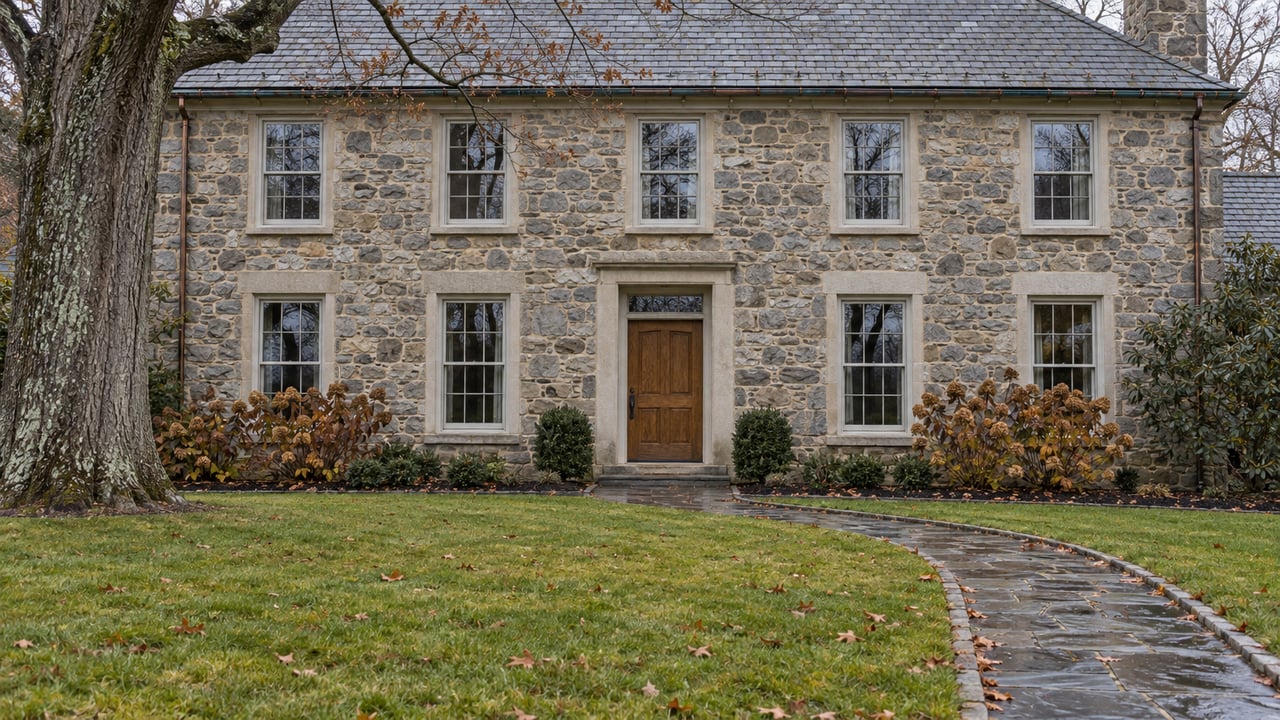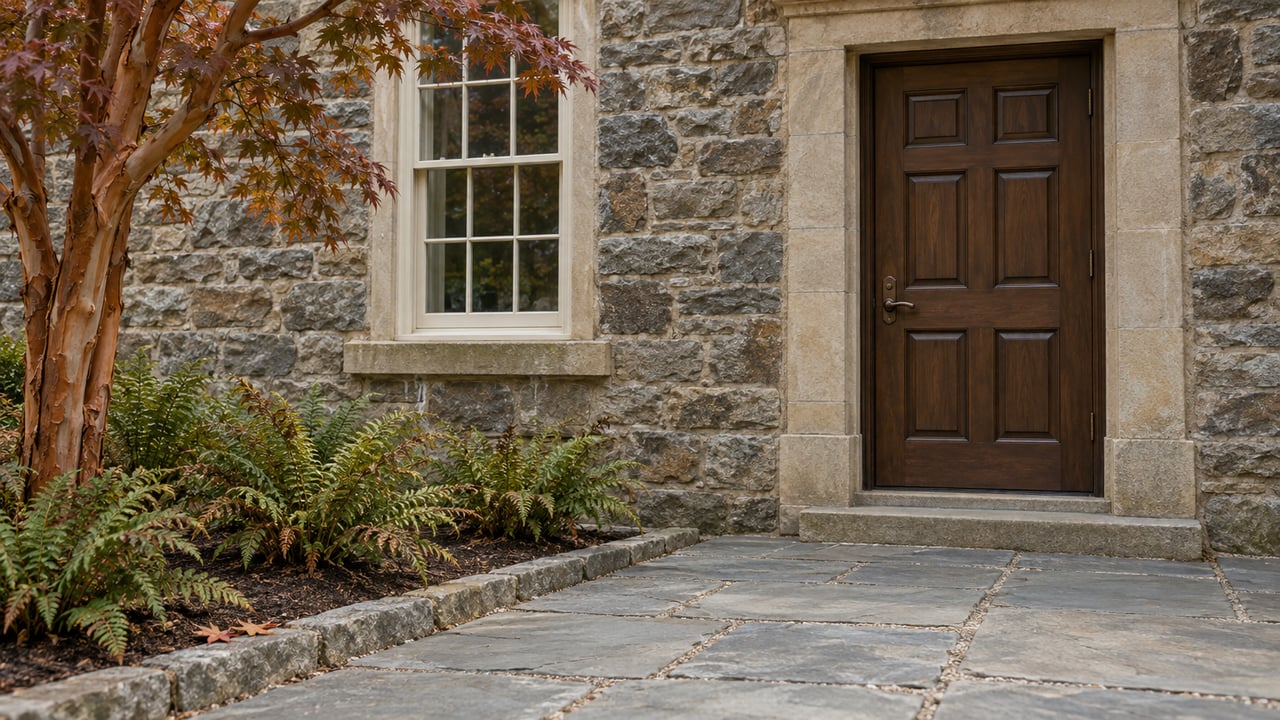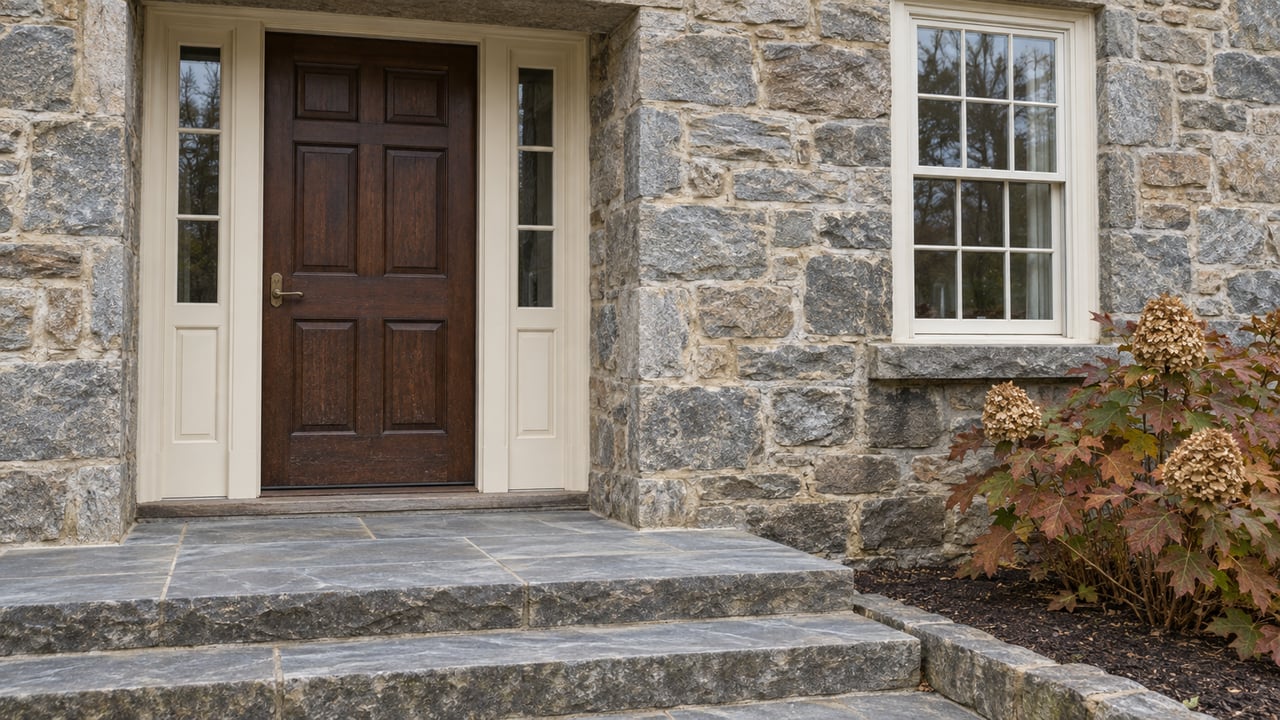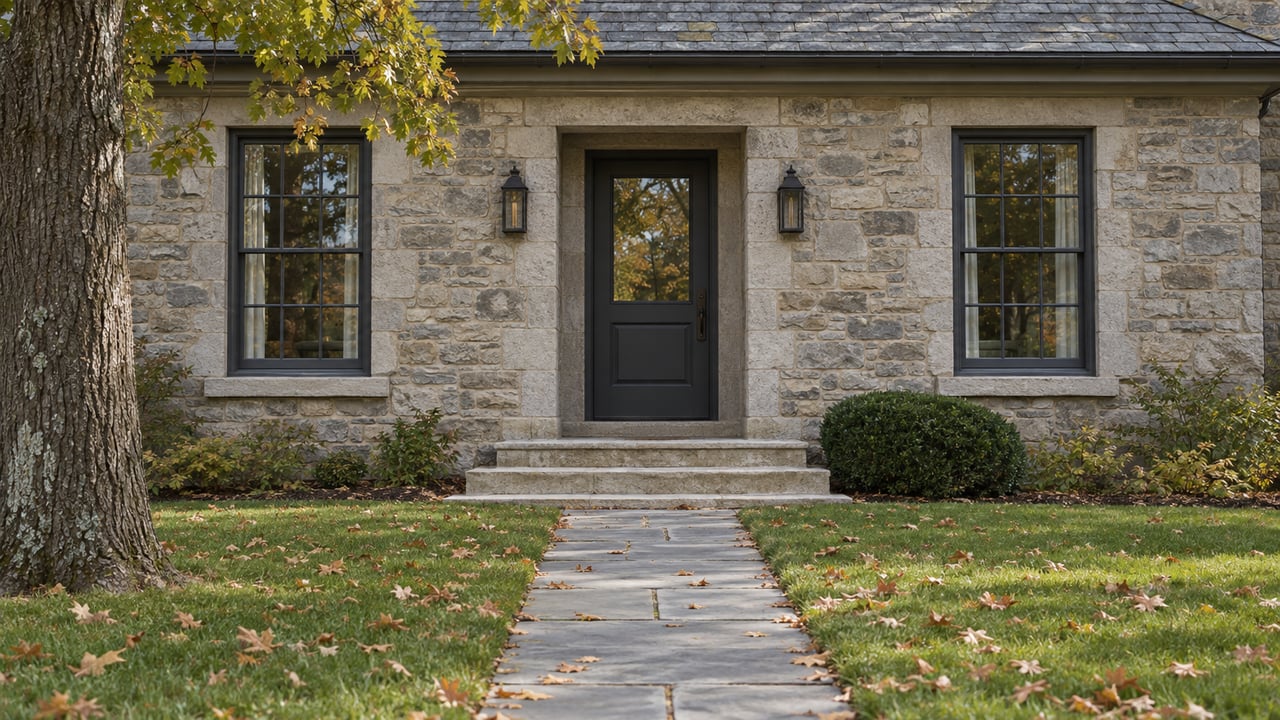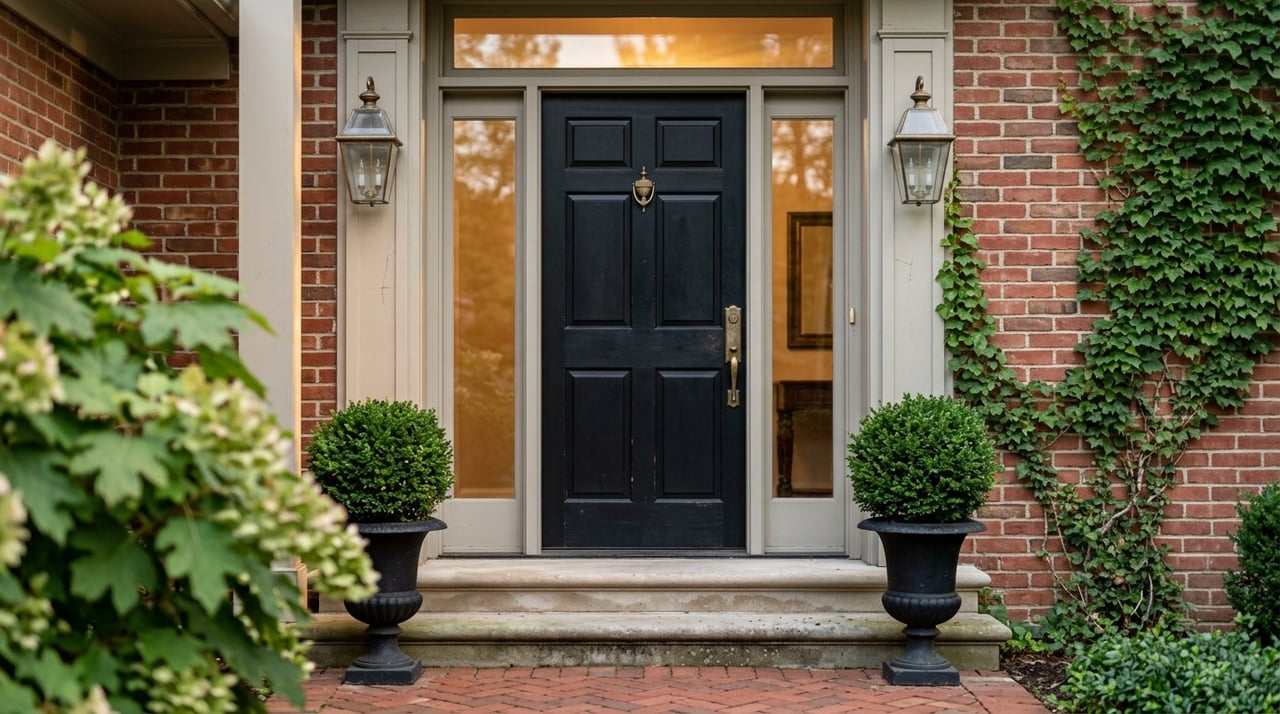
If you own a historic home in West Chester, you already know its charm is not something you can manufacture. Original brick, period trim, tall windows, and architectural details give your property a presence that newer homes often cannot match. The goal of staging is not to erase that character. It is to help today’s luxury buyer see how that character fits beautifully into modern living. Let’s dive in.
Why staging matters in West Chester
West Chester’s historic district was established to protect the borough’s architectural and cultural history while also strengthening property values. That makes staging especially important here. You are not simply preparing a house for sale. You are presenting a piece of West Chester’s built history in a way that feels polished, current, and livable.
For luxury buyers, presentation matters early and often. According to NAR’s 2025 Profile of Home Staging, 83% of buyers’ agents said staging made it easier for buyers to visualize a future home. The same report found that photos, physical staging, videos, and virtual tours all play an important role in how buyers engage with a listing.
In other words, your home needs to feel aspirational, but still honest. In a historic property, that balance is everything.
Preserve character, then refine it
The best staging plan for a historic West Chester home starts with restraint. You do not need to compete with the architecture. You need to reveal it.
West Chester’s design guidelines identify a wide range of historic styles in the district, including Federal, Greek Revival, Gothic Revival, Romanesque Revival, Italianate, Queen Anne, Second Empire, Renaissance Revival, and Colonial Revival. Each style carries details that help define the home’s value and visual identity.
A Federal home may feature brick construction, Flemish bond patterns, modest cornices, and a prominent doorway. A Greek Revival home may highlight columns, pilasters, pediments, and transom windows. Italianate, Queen Anne, and Second Empire homes often bring more ornament, from brackets and crowns to towers, turrets, and mansard roofs.
These are not distractions to hide. They are the reason a buyer stops scrolling.
Historic features buyers should see
When preparing your home, keep the focus on the features that make it distinctly West Chester. In many cases, less furniture and fewer accessories will do more for your sale than a heavily decorated room.
Prioritize visibility for features such as:
- Original brick or stone
- Historic trim and millwork
- Prominent entry doors and transom windows
- Decorative brackets, crowns, and cornices
- Mansard roofs, towers, or turrets where applicable
- Historic window and roof details that contribute to the home’s style
The borough’s guidance also makes clear that visible exterior materials and finishes matter. Masonry, trim, siding, windows, and roofing are preservation-sensitive elements. That means staging should complement these features rather than compete with them.
What today’s luxury buyer wants
Luxury buyers are often drawn to historic homes because they offer something custom and hard to duplicate. At the same time, they still want a home that feels intentional, edited, and easy to imagine living in.
NAR’s luxury-listing guidance notes that high-net-worth buyers expect a styled property that helps them envision the lifestyle they are buying. That does not mean filling every room. It means creating a setting that feels elevated and comfortable, often with designer furnishings, contemporary art, and carefully chosen accessories.
In a West Chester historic home, this usually works best when the old and new are in conversation. Clean-lined furniture can make ornate trim look sharper. Neutral textiles can soften bold architectural details. A few sculptural pieces can add relevance without overwhelming the room.
Stage these rooms first
If you are deciding where to invest your time and budget, start with the spaces buyers care about most. NAR’s 2025 staging data shows that the most commonly staged areas are the living room, primary bedroom, dining room, kitchen, and outdoor or yard space.
Living room
This is often where your home’s architectural character makes its strongest first impression. Arrange furniture to show scale and flow, not to maximize seating. If you have a fireplace, tall windows, built-ins, or detailed trim, make sure those features remain visible.
Primary bedroom
Luxury buyers want calm and simplicity here. Use layered but minimal bedding, soft lighting, and a layout that feels generous. If the room has original moldings, wide-plank floors, or tall ceilings, keep the styling quiet enough to let those details lead.
Dining room
Historic dining rooms often have strong bones, and staging should reinforce their sense of occasion. A clean table setting, balanced lighting, and a restrained centerpiece usually work better than a fully dressed formal look. You want the room to feel elegant, not crowded.
Kitchen
Buyers may forgive a kitchen that is not brand new, but they are less likely to connect with one that feels busy or poorly maintained. Clear the counters, remove visual clutter, and let quality materials stand out. If the kitchen blends historic elements with thoughtful updates, that contrast can be a selling point.
Outdoor spaces
Curb appeal matters, especially online. Entry steps, front doors, porches, garden beds, and rear patios all contribute to the first impression. Even a compact outdoor space can feel luxurious when it is clean, defined, and easy to picture using.
The right staging approach is often subtle
Not every historic listing needs full-service staging. In many cases, a lighter approach is more effective.
NAR’s seller-prep recommendations often center on decluttering, whole-home cleaning, curb appeal, minor repairs, professional photos, paint touch-ups, and landscaping. For a historic West Chester home, that supports a smart rule: remove what distracts, then let the architecture do the work.
A subtle staging plan may include:
- Editing down furniture to improve sightlines
- Removing personal items and excess décor
- Deep cleaning floors, windows, trim, and masonry-adjacent surfaces
- Touching up interior paint where appropriate
- Refreshing landscaping and entry presentation
- Adding a small number of upscale, modern accents
This approach tends to feel more authentic, which matters when your buyer is looking for craftsmanship and permanence.
Be careful with exterior updates
Exterior work in West Chester’s historic district needs extra planning. The borough states that most properties in the historic downtown require HARB approval before a building permit is issued. Visible changes from a public street, such as repainting, window or door replacement, trim changes, siding, and similar exterior work, may fall under district rules.
The design-review process generally takes about a month, and pre-application review is strongly encouraged for major façade alterations, additions, new construction, and demolition. If you are considering any visible exterior changes before listing, build that timing into your prep schedule.
This matters for staging because sellers sometimes assume they can make quick curb-appeal upgrades right before photography. In a historic district, that is not always realistic. Routine maintenance and minor repairs may be treated differently, but visible design changes should be evaluated early.
Respect the home’s original materials and color story
When sellers try to modernize a historic home too aggressively, they often weaken the very features buyers value. West Chester’s guidance says exterior colors should fit the building’s style and period. It also notes that overly elaborate or all-pastel color schemes are not appropriate, and that unpainted brick generally should not be painted.
That does not mean your home has to feel dated. It means updates should feel informed and consistent with the architecture. A refined presentation will almost always outperform a trendy one when the property itself carries historic significance.
Inside, the same principle applies. Choose furnishings and finishes that create contrast in a tasteful way, not visual conflict. Think edited, layered, and architectural.
Photography should be polished and truthful
Many buyers will first meet your home online, so visuals have to be strong. NAR notes that buyers often begin their search digitally, and that overly altered images can create disappointment if the home looks very different in person.
For a historic luxury listing, that means professional photography should be polished but accurate. Good lighting, strong composition, and thoughtful styling can make a major difference without crossing into misrepresentation. The goal is to create confidence, not surprise.
Video and virtual tours can also add depth when they reflect the home honestly. If virtual staging is used, transparency matters. A buyer should never feel that the online version of the home promised something the actual property could not deliver.
A strong launch starts with the right story
Historic homes in West Chester are rarely commodity listings. They need a more considered presentation, especially when appealing to a luxury buyer who values design, authenticity, and discretion.
That is where staging becomes part of a larger strategy. The furnishings, photography, and showing experience should all support the same story: this is a home with provenance, presence, and relevance today. When done well, staging does not flatten that story. It sharpens it.
If you are preparing to sell, the smartest next step is not to overdo the house. It is to present it with care, understand the local review process where needed, and create a launch that feels both elevated and true to the property.
When you are ready to position your West Chester home with polish, discretion, and a tailored strategy, Black Label Keller Williams can help you prepare it for the right buyer.
FAQs
Which rooms should you stage first in a West Chester historic home?
- Start with the living room, primary bedroom, dining room, kitchen, and outdoor spaces, since these are the areas most commonly staged according to NAR’s 2025 data.
What historic features should stay visible when staging a West Chester home?
- Keep original brick or stone, trim, prominent doorways, transom windows, and other style-specific architectural details clearly visible, since the borough treats these features as character-defining elements.
How much time should you allow for exterior updates in West Chester’s historic district?
- If you plan visible exterior work, allow about a month for the borough’s general design-review timeline and consider pre-application review for larger façade changes.
Can virtual staging be used for a West Chester luxury listing?
- Yes, but it should be used carefully and transparently so buyers are not misled if the in-person home differs from the digital presentation.
Should you paint exterior brick on a historic West Chester home before listing?
- In general, the borough’s design guidance says unpainted brick should not be painted, so it is best to respect original materials when preparing the home for sale.