If you want to stay connected to Philadelphia without living in the middle of its pace every day, Haverford offers a compelling middle ground. For many city professionals, the goal is simple: a manageable commute, a calmer routine, and a home that gives you more space to live and work well. Haverford stands out as a train-friendly Main Line address that delivers exactly that, with a residential feel and easy access to nearby town centers when you want more activity. Let’s take a closer look.
Why Haverford Fits City Professionals
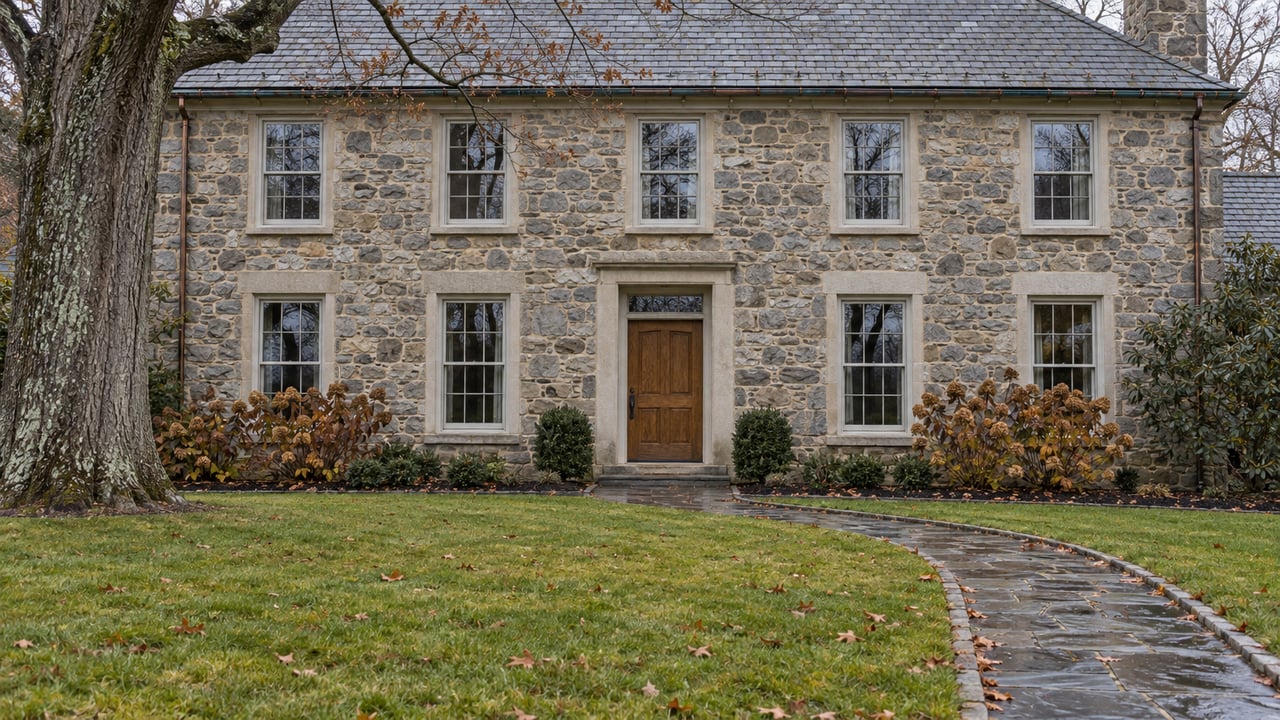
Haverford is best described as a calm, established Main Line base rather than a commercial destination. It is primarily residential, and much of its housing stock was built in the first half of the 20th century, which gives the area a mature, settled character.
That matters if you are moving from the city and want a lifestyle shift without feeling disconnected. In Haverford, you trade dense commercial surroundings for a quieter daily rhythm, while still staying within reach of Philadelphia and nearby Main Line hubs.
Haverford Commute Access
For professionals working in Center City or University City, rail access is one of Haverford’s strongest advantages. Haverford station sits on SEPTA’s Paoli/Thorndale Line, with service to William H. Gray III 30th Street Station, Suburban Station, Jefferson Station, and Temple University.
Based on the current weekday timetable effective February 1, 2026, displayed runs from Haverford reach 30th Street in about 23 to 25 minutes. That timing can make the line practical if you want a suburban home base without giving up a straightforward trip into the city.
30th Street is also a useful connection point for professionals heading toward University City. SEPTA describes the 30th Street hub as a gateway to University City and Schuylkill Yards, which adds to Haverford’s appeal for people whose workday centers around major business, education, or medical districts.
If you drive, Haverford also benefits from access to U.S. Route 30, I-476, and Route 3, also known as West Chester Pike. SEPTA also notes that the township is connected by Regional Rail, light rail, and bus lines, which supports flexibility in how you move around the region.
Daily Life in Haverford
Haverford’s appeal is not about constant activity. It is about ease, consistency, and room to breathe. The local experience centers more on residential streets, green space, and a small neighborhood core than on nightlife or major retail.
Philadelphia magazine notes that the area includes a modest shopping area near the Regional Rail station. Spots like Green Engine Coffee Co. and White Dog Cafe help define that in-town rhythm, reinforcing Haverford as a neighborhood-centered place rather than a busy entertainment district.
For many professionals, that is exactly the point. After a full workday, a quieter setting can feel more restorative, especially if you still have nearby options when you want dinner out, live music, or a change of scene.
Parks, Trails, and Open Space
One of Haverford’s strongest lifestyle advantages is its open-space network. Haverford Township says it owns and operates more than 30 parks totaling 450 acres, along with more than 15 miles of trails and a 35,000-square-foot community and environmental center with fitness programming.
The township also notes that all residents live within a mile of a trail. That kind of access can shape your weekly routine in a meaningful way, whether you like to start the day with a walk, take a break between meetings, or spend weekends outside without planning a long drive.
For buyers who value a balanced schedule, these features do more than beautify the area. They support the kind of everyday flexibility that can make hybrid living feel easier and more sustainable.
Haverford College Adds Character
Haverford College adds another layer to the local experience. Its 200-acre arboretum campus includes nature walks, lectures, tree education, and other public-facing programming, and the college says many campus events are open to the public.
That gives Haverford a quiet cultural dimension that feels distinct from a typical commuter suburb. Instead of relying on heavy retail or nightlife, the area offers a more understated mix of scenery, learning, and low-key community activity.
Nearby Towns Expand Your Options
Living in Haverford does not mean limiting yourself to Haverford alone. One of the practical benefits of this location is how easily it connects you to other Main Line destinations for dining, shopping, and entertainment.
Ardmore After Work
Ardmore is one of the most important nearby hubs to know. Visit Philadelphia describes it as the Main Line’s largest and most diverse town, with Suburban Square as a major retail and dining destination and Ardmore Music Hall as a well-known live-music venue.
For a city professional, Ardmore can fill the gap between residential calm and social convenience. It is close enough to become part of your normal routine, whether you are meeting friends for dinner, browsing shops, or catching a show.
Bryn Mawr and Wayne Access
Bryn Mawr offers another nearby option with compact dining and culture. The town includes restaurants, coffee spots, and the Bryn Mawr Film Institute, which shows both blockbuster and independent films.
Wayne offers a different atmosphere but a similarly polished experience, with a compact business district and Restaurant Row on North Wayne Avenue. Together, these nearby towns broaden your choices without changing Haverford’s quieter residential identity.
Haverford Homes for Hybrid Living
Haverford’s housing stock is one of its defining features. According to the township history, the area includes single homes, twins, row houses, apartments, condominiums, and retirement-oriented properties.
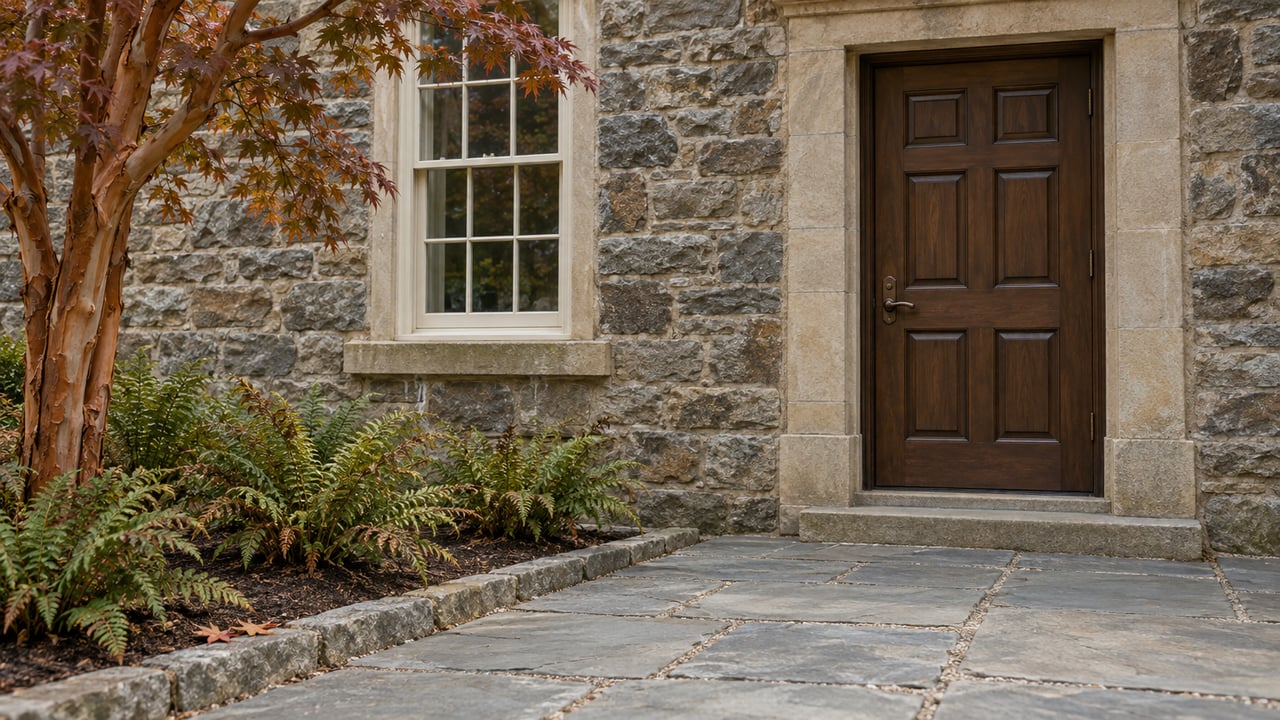
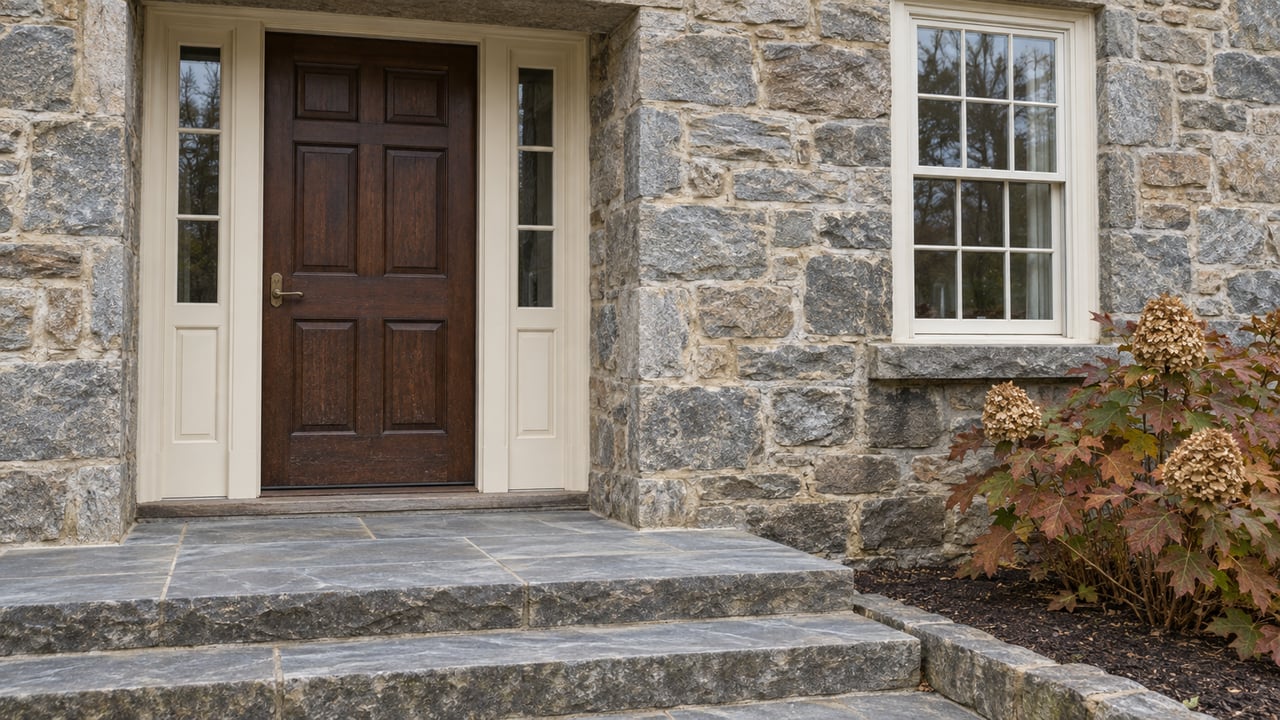
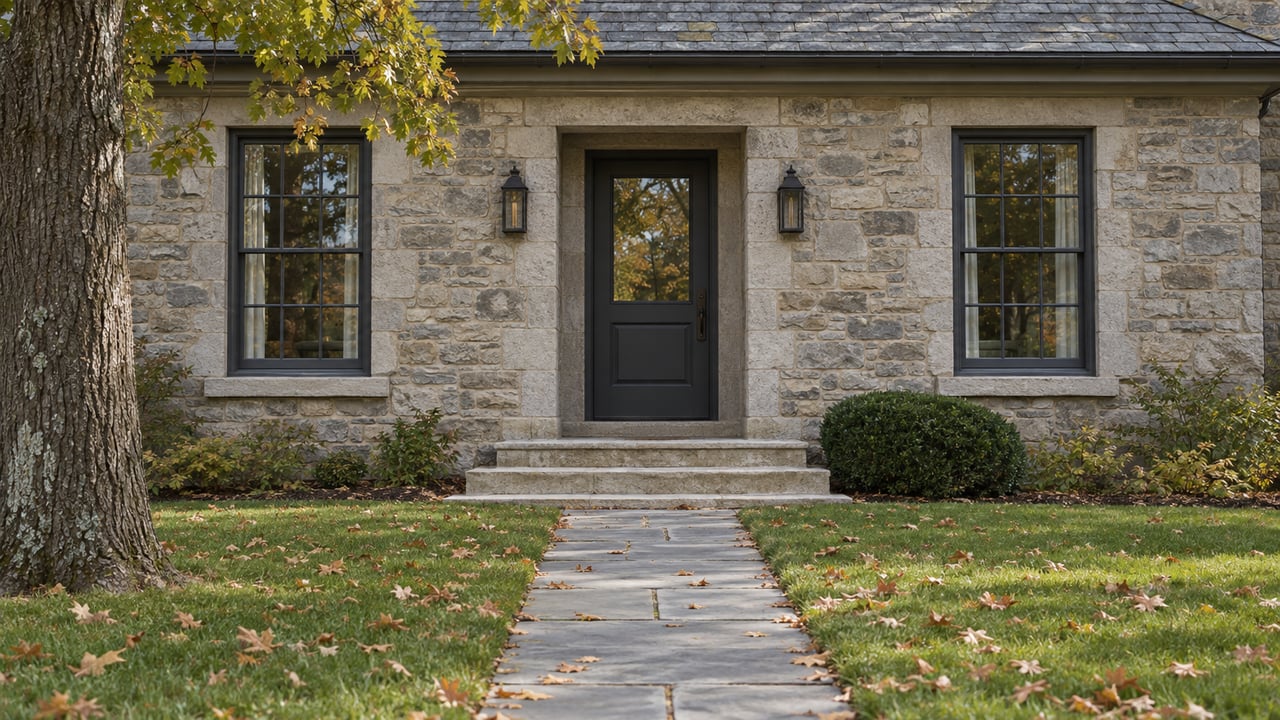
Because much of the housing was built in the first half of the 20th century, the market reflects historic subdivision patterns and older estate properties that still shape the area. That often appeals to buyers looking for established streetscapes, mature trees, and homes with a sense of permanence.
For city professionals, layout can matter just as much as location. Philadelphia magazine’s home tours point to features often found in Haverford-area homes, including formal living and dining rooms, den or study space, office or library rooms, great rooms, finished basements, guest suites, and outdoor living space.
While each property is different, that overall pattern suggests a housing stock that can better support hybrid schedules than homes designed around more limited room configurations. If you need space for remote work, overnight guests, or a separate area to unwind, Haverford may offer more flexibility than you expect.
Low-Maintenance Options in Haverford
If you want Haverford’s location and feel without the upkeep of a larger detached home, Haverford Reserve is an important part of the conversation. Philadelphia magazine describes it as a 209-acre mixed-use development on the former state hospital site, with nearly 200 condos, new athletic fields, a recreation center, and 120 acres of parkland with hiking and biking trails.
For some buyers, that lower-maintenance option is especially attractive. It can offer a way to stay in the Main Line, keep access to open space, and simplify day-to-day responsibilities.
What Haverford Is and Is Not
The best way to think about Haverford is as a residential Main Line base with strong regional access. It works well for professionals and executives who want a train-friendly home base, a quieter everyday environment, and the ability to reach dining and culture in nearby towns without living inside a dense commercial core.
It is not the right fit if your ideal neighborhood revolves around heavy nightlife, a large downtown district, or constant street-level activity. But if your priority is a measured lifestyle with room, greenery, and a practical connection back to Philadelphia, Haverford deserves a serious look.
If you are weighing a move from Philadelphia to the Main Line, Haverford can offer a thoughtful next chapter: established, accessible, and quietly refined. For tailored guidance on Haverford homes, Main Line relocations, or discreet buying opportunities, connect with Black Label Keller Williams.
FAQs
Is Haverford a good place for Philadelphia professionals who commute?
- Yes. Haverford station is on SEPTA’s Paoli/Thorndale Line, and current displayed weekday runs reach 30th Street in about 23 to 25 minutes.
What is daily life in Haverford like for Main Line residents?
- Haverford is primarily residential, with a quieter rhythm centered on homes, parks, trails, a small neighborhood core, and access to nearby towns for added dining and entertainment.
Does Haverford have parks and trails for outdoor time?
- Yes. Haverford Township says it has more than 30 parks, 450 acres of parkland, and more than 15 miles of trails.
What kinds of homes can buyers find in Haverford?
- The township says Haverford includes single homes, twins, row houses, apartments, condominiums, and retirement-oriented properties, with much of the housing built in the first half of the 20th century.
Are there lower-maintenance homes in Haverford for busy professionals?
- Yes. Haverford Reserve includes nearly 200 condos along with parkland, trails, athletic fields, and a recreation center, offering an option for buyers seeking lower-maintenance living.
What nearby Main Line towns add dining and entertainment near Haverford?
- Ardmore, Bryn Mawr, and Wayne all expand your options, with retail, restaurants, coffee shops, film, and live music nearby.