Choosing between a condo and a historic rowhome in Society Hill is not just about square footage or style. It is about how you want to live in one of Philadelphia’s most distinctive neighborhoods. If you are weighing convenience against control, or shared amenities against historic character, this comparison will help you sort through the tradeoffs with clarity. Let’s dive in.
Society Hill offers both worlds
Society Hill stands out because it is not defined by a single housing type. The neighborhood includes 18th- and 19th-century red-brick homes, historically certified buildings, contemporary townhouses, and apartment towers tied to the area’s redevelopment era.
That mix is part of what makes the neighborhood so compelling. In a few blocks, you can move from cobblestone streets and historic facades to a condo building with a very different ownership structure and day-to-day rhythm.
The area is also part of a local historic district established by the Philadelphia Historical Commission on March 10, 1999. For many buyers, that adds appeal and a sense of continuity. It also means exterior changes may come with additional review requirements, depending on the property.
Historic rowhomes in Society Hill
Rowhomes offer strong architectural identity
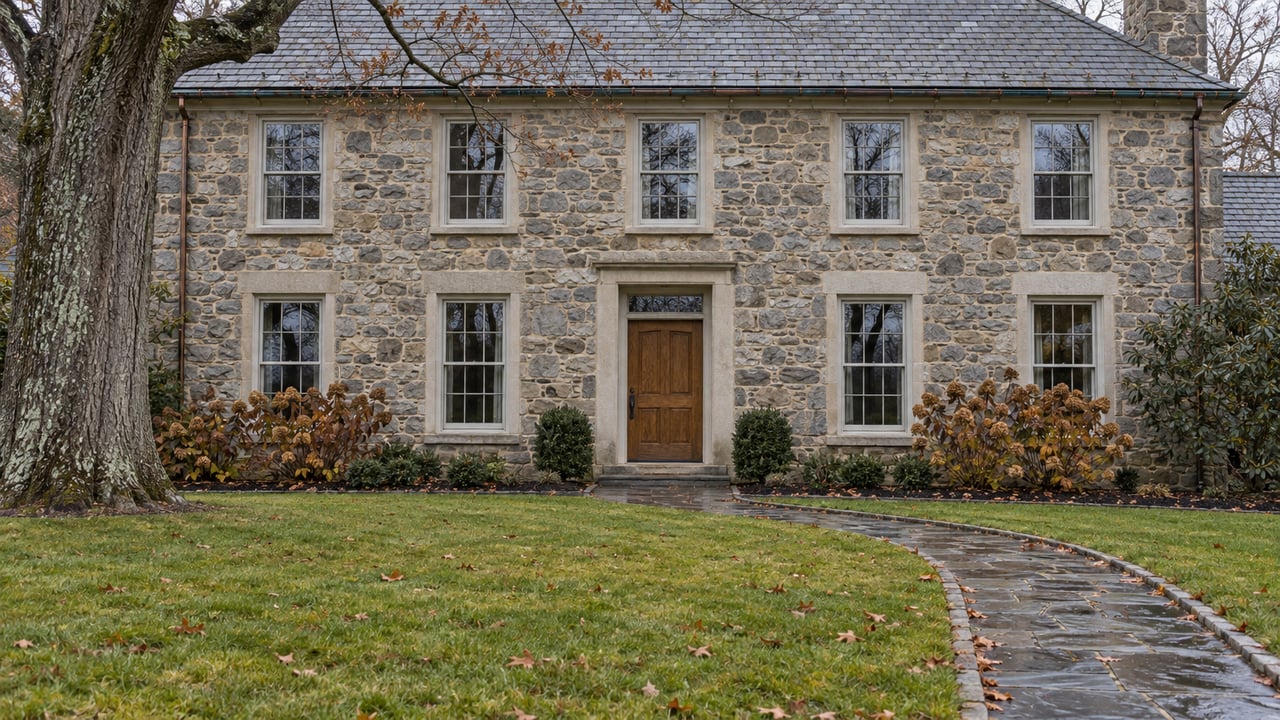
If you picture Society Hill, you are probably picturing a rowhome. The neighborhood is widely associated with 18th- and 19th-century brick houses, leafy blocks, and a streetscape that feels deeply tied to Philadelphia’s history.
For many buyers, that character is the point. A rowhome often offers a stronger sense of architectural identity, a whole-house feel, and a more direct connection to the street and neighborhood fabric.
Rowhomes give you more control
One of the biggest advantages of a rowhome is control. You are managing the house itself rather than sharing ownership of major building systems and common areas with an association.
That can appeal to buyers who want more autonomy over repairs, upgrades, and the way the home functions over time. It can also mean more privacy than you may find in a corridor-style condo building.
Rowhomes may include private outdoor space
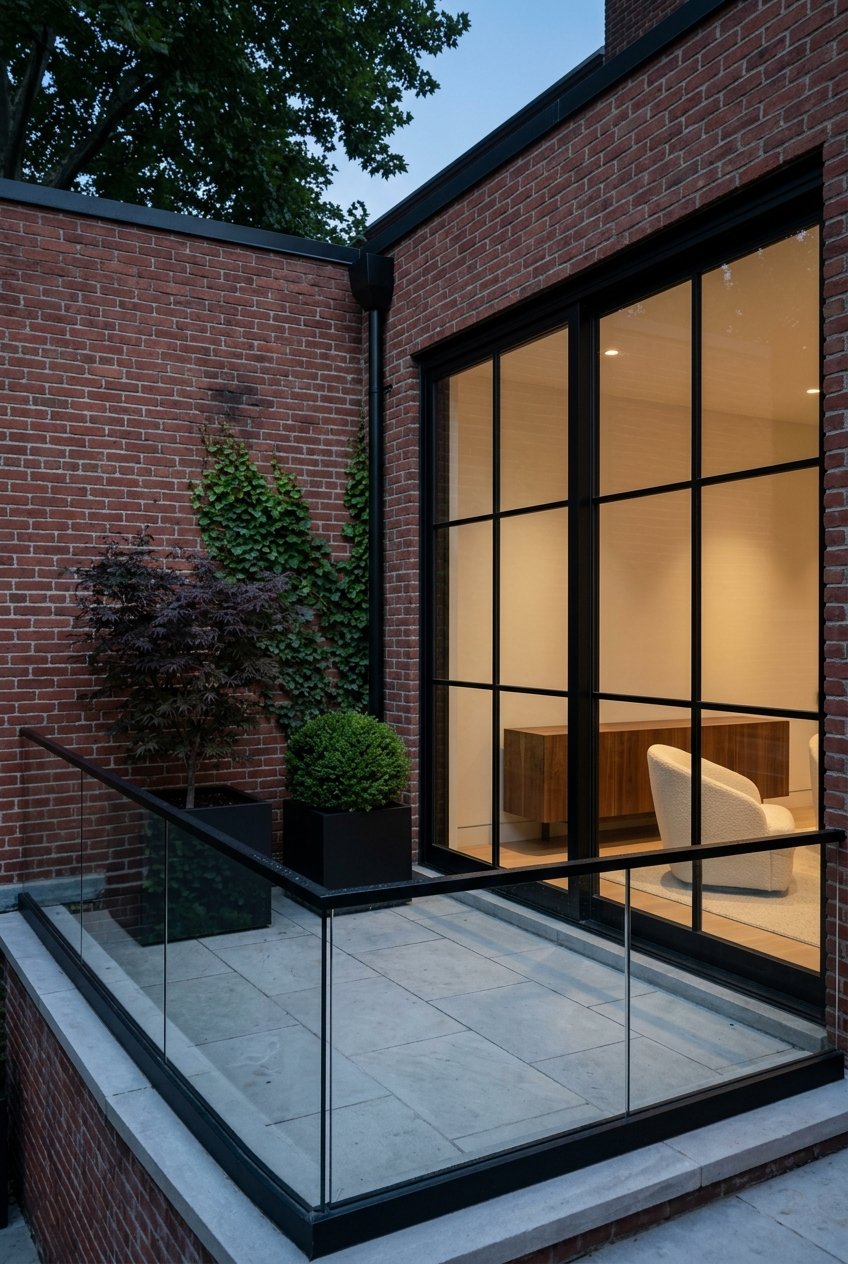
In Society Hill, some rowhouses include small rear yards. Roof decks can also be a meaningful amenity in a rowhouse setting.
If private outdoor space matters to you, a rowhome may offer more potential. With condos, outdoor space tends to vary by building and unit, so it is usually less predictable.
Rowhomes require more owner-managed upkeep
The tradeoff is maintenance. Philadelphia’s rowhouse guidance makes the ownership reality very clear: keeping water out is essential, and owners need to stay on top of the roof, gutters, masonry, windows, plumbing, electrical systems, and heating and cooling.
In practical terms, a rowhome usually asks more of you. You gain control and character, but you also take on more responsibility for the condition and longevity of the property.
Historic rules can affect exterior changes
Many Society Hill properties are historically designated, and that matters most when you are planning exterior work. The Philadelphia Historical Commission says designated properties need approval for exterior alterations or other work that requires a building permit.
Most reviews involve facades and exterior features. If you value preservation and want to be part of protecting the neighborhood’s visual character, that structure may feel reassuring. If you want maximum flexibility, it is something to study carefully before you buy.
Society Hill condos explained
Condos center on shared ownership
A condo is a different kind of ownership model. Under Pennsylvania law, each unit includes an undivided interest in the common elements, and owners share common expenses through the association.
That means many building-level decisions and responsibilities are handled collectively. Instead of managing every exterior issue yourself, you are part of a structure designed around shared systems, shared budgets, and shared rules.
Condos can simplify daily ownership
For many buyers, the condo appeal is simple: less hands-on maintenance. A condo can be the more practical fit if you want a lock-and-leave lifestyle or prefer not to personally manage every exterior repair.
That is especially relevant in a neighborhood like Society Hill, where many residents value walkability, ease, and the ability to enjoy Center City without the workload of a whole-house property.
Condo dues are part of the equation
That ease comes with a recurring cost. Condo or HOA dues are typically paid directly to the association, and they are generally separate from your monthly mortgage payment.
Those dues can range from a few hundred dollars a month to more than $1,000 a month. When you compare a condo to a rowhome, it is important to look beyond purchase price and think about your full monthly carrying cost.
Condos trade autonomy for convenience
A condo usually gives you less direct control over major shared systems and building-wide decisions. You are buying into a structure that can reduce day-to-day ownership demands, but it also limits how independently you can act.
For some buyers, that is an easy trade. For others, especially those who prefer direct oversight of their property, it can feel restrictive.
Comparing lifestyle in Society Hill
Daily living feels different
The most useful question is not which option is better. It is which option fits your routine, priorities, and comfort level.
A rowhome often feels more private and more self-contained. A condo often feels more streamlined, with a simpler footprint and fewer owner-managed responsibilities.
Walkability supports both options
Society Hill is well suited to car-light living. The neighborhood is highly walkable, served by several SEPTA bus routes, and offers access to Washington Square, Penn’s Landing, Spruce Street Harbor Park, and the Headhouse Square Farmers Market.
That means either property type can work well if you want a location that supports getting around on foot and staying connected to Center City amenities. The real difference is less about the neighborhood and more about how you want your home base to function.
Market context matters too
Society Hill remains a premium market. Neighborhood-wide figures show a median sale price of about $800,000 over the last three months and a median of about 49 days on market as of May 2026.
Those figures are not split by condos versus rowhomes, but they do reinforce a broader point: buyers here are choosing into a neighborhood with strong demand, a defined identity, and a housing mix that supports several lifestyles.
Quick comparison at a glance
| Factor | Historic Rowhome | Condo |
|---|---|---|
| Architectural character | Often strongest historic identity | Varies by building |
| Maintenance | More owner-managed | More shared through association |
| Monthly carrying costs | Repairs can be less predictable | Dues are a regular recurring cost |
| Control | More direct control over the property | More shared decision-making |
| Outdoor space | May include rear yard or roof deck | Building- and unit-specific |
| Travel-friendly ownership | Less convenient for frequent travel | Often better fit for lock-and-leave living |
How to decide which fits you
A rowhome may suit you if
You may prefer a Society Hill rowhome if you value architectural charm, want more direct control over your home, and are comfortable with the responsibilities that come with owner-managed upkeep.
It can also be the stronger fit if private outdoor space matters to you or if you want the experience of living in a historic house rather than within a shared building structure.
A condo may suit you if
You may prefer a Society Hill condo if convenience is a top priority. Buyers who travel often, want simpler day-to-day ownership, or prefer shared responsibility for building systems often find the condo model more appealing.
A condo can also be a smart fit if you want to enjoy Society Hill’s location and walkability without taking on the full maintenance demands of a historic home.
The right answer is personal
In Society Hill, both options can be compelling. The rowhome offers a stronger sense of stewardship and individuality. The condo offers a more managed ownership experience within the same coveted neighborhood setting.
The right choice usually comes down to how much maintenance you want to own personally, how much privacy and control you want at home, and how you picture your day-to-day life unfolding in Society Hill.
Whether you are considering a discreet condo purchase or weighing the long-term appeal of a historic Philadelphia home, working with a team that understands both property types can make the process far more strategic. To start a confidential conversation, connect with Black Label Keller Williams.
FAQs
What is the main difference between a Society Hill condo and a historic rowhome?
- A condo is built around shared ownership of common elements and shared expenses through an association, while a rowhome gives you more direct control over the entire property and more owner-managed maintenance.
Are historic Society Hill rowhomes harder to maintain than condos?
- In many cases, yes. Rowhomes typically require more direct attention to roofs, gutters, masonry, windows, and house systems, while condos shift many building-level responsibilities into the association structure.
Do Society Hill condos usually have monthly fees?
- Yes. Condo owners typically pay monthly dues directly to the association, and those dues are generally separate from the mortgage payment.
Can you change the exterior of a designated Society Hill property?
- Exterior changes to designated properties usually require approval from the Philadelphia Historical Commission, especially if the work requires a building permit or alters exterior features.
Which Society Hill property type is better for frequent travelers?
- A condo is often the better fit for frequent travelers because the association model can reduce the amount of exterior maintenance you need to manage personally.
Which Society Hill property type is more likely to offer private outdoor space?
- A rowhome is often more likely to offer private outdoor potential, such as a small rear yard or roof deck, though features vary by specific property.