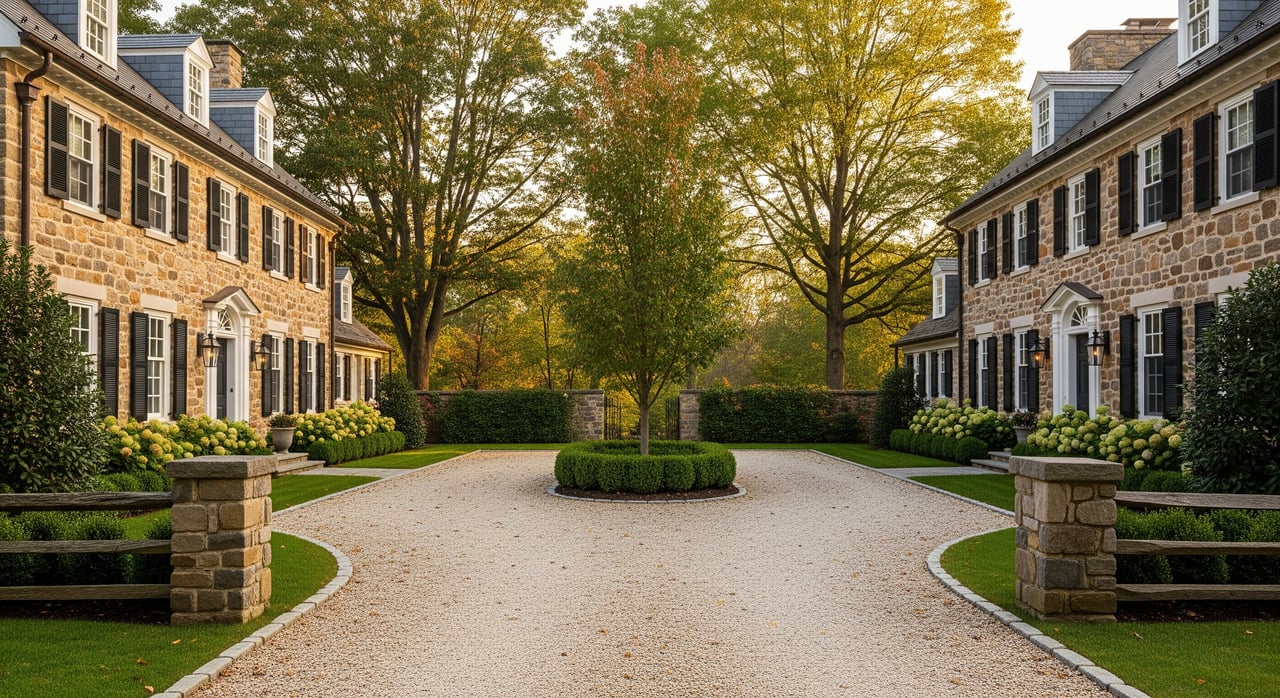
Sharing a driveway can work beautifully when everyone knows the rules. It can also create friction if expectations are unclear, especially during a sale. If you are buying or selling in Chadds Ford, you want certainty about access, maintenance, and future costs. This guide gives you practical steps, local rules, and key clauses to protect your interests. Let’s dive in.
What a shared driveway means in Pennsylvania
A shared driveway is usually an easement that lets two or more properties use the same drive for access. It can be created by a written easement, implied after a subdivision, or by long use. In practice, a recorded, written easement is the most reliable form for future owners. You can learn more in this overview of Pennsylvania shared driveway laws.
Why recording matters
In Pennsylvania, recording an easement or agreement gives public notice to future buyers and lenders. Unrecorded rights can be vulnerable against a later buyer who has no notice. The state recording statute explains this effect of constructive notice under Title 21 of the Pennsylvania Statutes. In Delaware County, you record easements with the Recorder of Deeds.
Cost sharing if an agreement is silent
If there is no written agreement, Pennsylvania courts generally expect all users of the easement to contribute to reasonable maintenance and repair. Recent appellate decisions confirm that owners can be required to reimburse their share of necessary costs under an easement arrangement. See the Superior Court’s discussion in Sensenig v. Greenleaf.
Chadds Ford rules that affect you
Chadds Ford Township has specific design and use standards for driveways that can shape your plans and your agreement.
Lot limits and widths
- Shared driveways may serve up to four residential lots.
- If a shared drive is longer than 1,000 feet or serves more than four lots, it must meet Local Secondary Street standards.
- Minimum widths: 18 feet for shared drives under 1,000 feet, with required widening inside the right of way per Township standards.
You can confirm these details in the Township’s Design Standards for Driveways.
When permits are required
- A Grading or Stormwater Management permit is required when a project adds 500 square feet or more of new impervious surface or disturbs more than 5,000 square feet. Resurfacing, widening, or rebuilding can trigger these thresholds. Check the Township’s stormwater permit guidance.
- Work in the public right of way often needs a Roadway Occupancy permit. For land development or plan review questions, see the Township’s Subdivision and Land Development page.
What to put in your agreement
A clear, recorded agreement sets expectations, reduces disputes, and eases lender and title review. Consider the following items, adapted to your property and use.
Core clauses to include
- Parties and legal descriptions. List every benefitted and burdened parcel with full legal descriptions.
- Grant of easement. Describe the exact location, width, and limits. Clarify allowed uses like access, utilities, and drainage.
- Maintenance and repairs. Define standards for routine upkeep like snow removal and pothole patching, as well as capital repairs like resurfacing.
- Cost allocation and payments. Choose a formula, such as equal shares, frontage, or use. Include invoicing, timing, and remedies for nonpayment.
- Improvements and approvals. Set consent rules for widening, repaving, or gates. Add weight limits if heavy vehicles are expected.
- Insurance and indemnity. Require each owner to carry liability insurance and hold others harmless for damage they cause.
- Access for repairs. Allow responsible parties and contractors to enter for maintenance.
- Utilities and drainage. Clarify responsibility for lines beneath or beside the drive and drainage flows after resurfacing.
- Dispute resolution. Require good faith talks, then mediation or arbitration before court.
- Running with the land and recording. State that the agreement binds successors and must be recorded. Guidance on key provisions is outlined in this practical maintenance agreement overview.
Define maintenance vs improvements
Disputes often start when owners disagree about whether work is routine maintenance or a capital improvement. Use clear definitions and different approval thresholds. For example, routine repairs follow the standard cost split, while major resurfacing requires a supermajority or unanimous consent. Pennsylvania courts have treated cost obligations seriously, as seen in Sensenig v. Greenleaf.
Transaction checklists
For sellers
- Complete Pennsylvania’s Seller Property Disclosure accurately. It asks about easements and shared or common areas. Provide copies of any recorded easements or agreements. See the disclosure rule at the Pennsylvania Code.
- If no written agreement exists, consider recording one before listing. Buyers and lenders prefer clarity, and recorded documents reduce closing delays.
- Gather recent maintenance records, invoices, and communications. Transparency builds trust and speeds diligence.
For buyers
- Order a title search and ask your title company how any easement exceptions affect coverage. Confirm your lender is comfortable with the shared drive. The Delaware County Recorder’s site explains how documents are recorded and accessed.
- Get a current survey that shows the driveway, easement limits, and any encroachments.
- Review the seller’s disclosure for references to easements, shared areas, and encroachments. Ask for copies of all recorded instruments.
- If only an informal arrangement exists, require a recorded easement and maintenance agreement as a condition of closing, or negotiate escrow or price to address the risk.
- Check Township rules before you plan to widen or resurface. Projects that add impervious area or touch the right of way may need permits under the stormwater program.
Common disputes and prevention
Typical issues
- Cost sharing for snow removal, resurfacing, or drainage fixes.
- Parking or obstructions that block access.
- Runoff and erosion after a resurfacing project.
- Improvements done without required consent.
Remedies if things go wrong
- Contribution claims. An owner who pays for necessary maintenance can seek reimbursement from other users, consistent with Pennsylvania case law like Sensenig v. Greenleaf.
- Court orders. Judges can order removal of obstructions to restore access.
- Contract enforcement. If your recorded agreement sets notice, voting, and fee rules, those terms guide enforcement and can support recovery of costs.
How to prevent problems
- Put responsibilities in a recorded agreement with clear cost splits, notice steps, and dispute resolution.
- Create an annual maintenance plan or fund if several homes share a long driveway.
- Keep records of work, bids, and approvals. They are invaluable if a dispute arises.
Next steps in Chadds Ford
- Confirm your shared driveway complies with Township standards using the Design Standards for Driveways.
- Check permit thresholds before work, including the 500 square foot impervious trigger under the stormwater program.
- Record your easement and maintenance agreement with the Delaware County Recorder of Deeds.
If you want a discreet, confidence‑building plan for your sale or purchase in Chadds Ford and the Brandywine Valley, connect with Black Label. Our team helps you anticipate diligence questions, organize documents, and position your property with clarity and care.
FAQs
What is a shared driveway agreement in Chadds Ford and why do I need one?
- It is a recorded document that sets access, maintenance, and cost rules for a driveway used by multiple homes, which reduces disputes and eases lender and title review.
Who pays for shared driveway maintenance under Pennsylvania law?
- If an agreement is silent, courts generally require all users to share reasonable maintenance costs, and owners can be ordered to reimburse their portion.
Do I need a permit to resurface a shared driveway in Chadds Ford?
- You may, because adding 500 square feet or more of impervious surface or disturbing 5,000 square feet can trigger stormwater permits, and right‑of‑way work can need additional approvals.
How do I record a shared driveway easement in Delaware County?
- After your agreement is signed and notarized, submit it to the Delaware County Recorder of Deeds so future buyers and lenders have notice.
What happens if a neighbor blocks a shared driveway?
- Your options can include notice under the agreement, mediation, and if needed, court orders to remove obstructions and restore access.