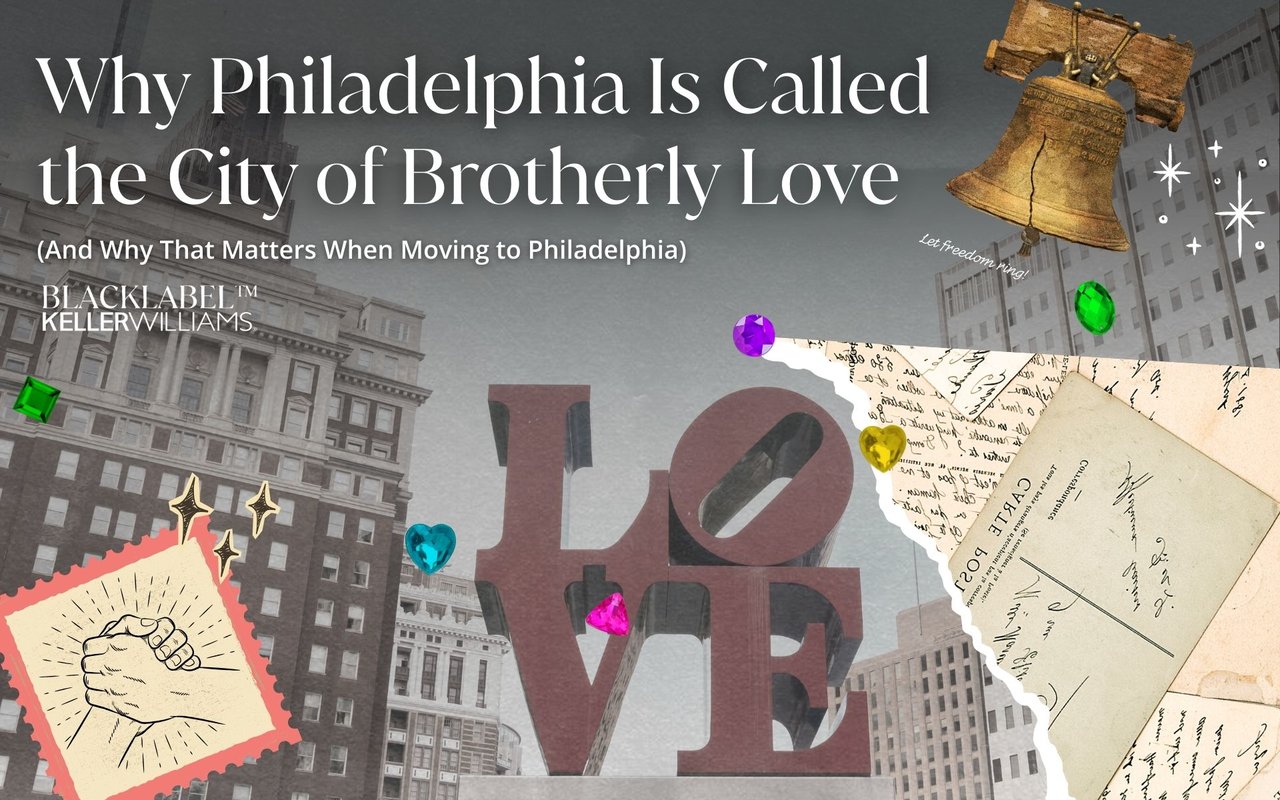
Welcome to Philly: More Than Just a Nickname
If you’re moving to Philadelphia, you’ve probably heard the phrase “City of Brotherly Love.” It’s printed on murals, tossed around in tourism ads, and sometimes said with a wink by locals. But here’s the thing: this nickname isn’t marketing fluff—it’s literally the city’s DNA.
Let’s rewind and unpack why Philly got this name, what it was meant to represent, and why it actually matters if you’re thinking about putting down roots here.
The Name Philadelphia Literally Means “Brotherly Love”
Philadelphia comes from two Greek words:
-
Phílos = love
-
Adelphós = brother
Put them together and you get brotherly love. No symbolism required—it’s right there in the name.
When William Penn founded Philadelphia in 1681, he wasn’t just naming a city. He was setting an intention.
William Penn’s “Holy Experiment”
Penn, a Quaker, envisioned Philadelphia as a place where:
-
Different religions could coexist peacefully
-
People were treated with dignity
-
Community mattered more than hierarchy
At a time when religious persecution was common, this was radical. Philadelphia became one of the most religiously tolerant cities in the world, attracting Quakers, Jews, Catholics, Protestants, and immigrants from across Europe.
For anyone moving to Philadelphia today, this legacy still shows up in the city’s diversity, openness, and deeply rooted neighborhood culture.
Did Philly Always Live Up to the Name?
Short answer: not perfectly (we’re human, after all).
But early Philadelphia earned a reputation as:
-
A city of debate, not violence
-
A hub of civic engagement
-
A place where ideas—and people—mixed freely
That culture of passionate disagreement + shared responsibility eventually helped make Philly the birthplace of American democracy.
The Modern-Day “Brotherly Love” (Yes, Even With the Attitude)
If you’re moving to Philadelphia and worried the nickname doesn’t match the vibe—don’t be fooled by the tough exterior.
Philly love looks like:
-
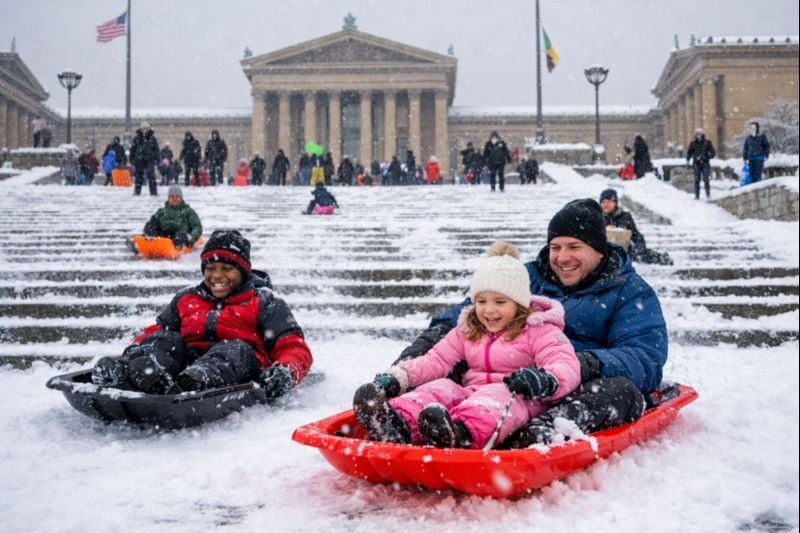
Neighbors digging your car out after a snowstorm
-
Strangers giving you SEPTA directions (with opinions)
-
Fierce loyalty to blocks, teams, and communities
-
People telling you the truth—even when it’s blunt
It’s not always polite, but it is genuine.
Why This Matters If You’re Moving to Philadelphia
Understanding the City of Brotherly Love helps explain why Philly feels different from other major cities:
-
Strong neighborhood identities (you don’t just live in Philly—you live in your Philly)
-
Deep community pride
-
A shared sense of ownership over the city’s future
If you want a place where people care loudly, show up for each other, and aren’t afraid to be real—Philadelphia might be your city.
FAQ: Moving to Philadelphia & the City of Brotherly Love
Why is Philadelphia called the City of Brotherly Love?
Because the name Philadelphia literally means “brotherly love” in Greek, chosen by founder William Penn to reflect his vision of tolerance and community.
Is Philadelphia actually friendly to newcomers?
Yes—especially at the neighborhood level. Philadelphians may seem blunt, but they’re loyal, welcoming, and deeply invested in their communities.
Does the city still reflect William Penn’s ideals today?
In many ways, yes. Philly remains one of the most diverse, civically engaged cities in the U.S., with strong grassroots organizations and neighborhood pride.
What should I know before moving to Philadelphia?
Every neighborhood has its own personality. Spend time exploring areas like Fishtown, West Philly, South Philly, and Germantown to find the right fit.
Ready to Experience Brotherly Love for Yourself?
If you’re moving to Philadelphia, you’re not just relocating—you’re joining a city with centuries of history, heart, and unapologetic character.
👉 Explore neighborhoods, plan a visit, or start your Philly move today.
Because in the City of Brotherly Love, once you’re in—you’re family.