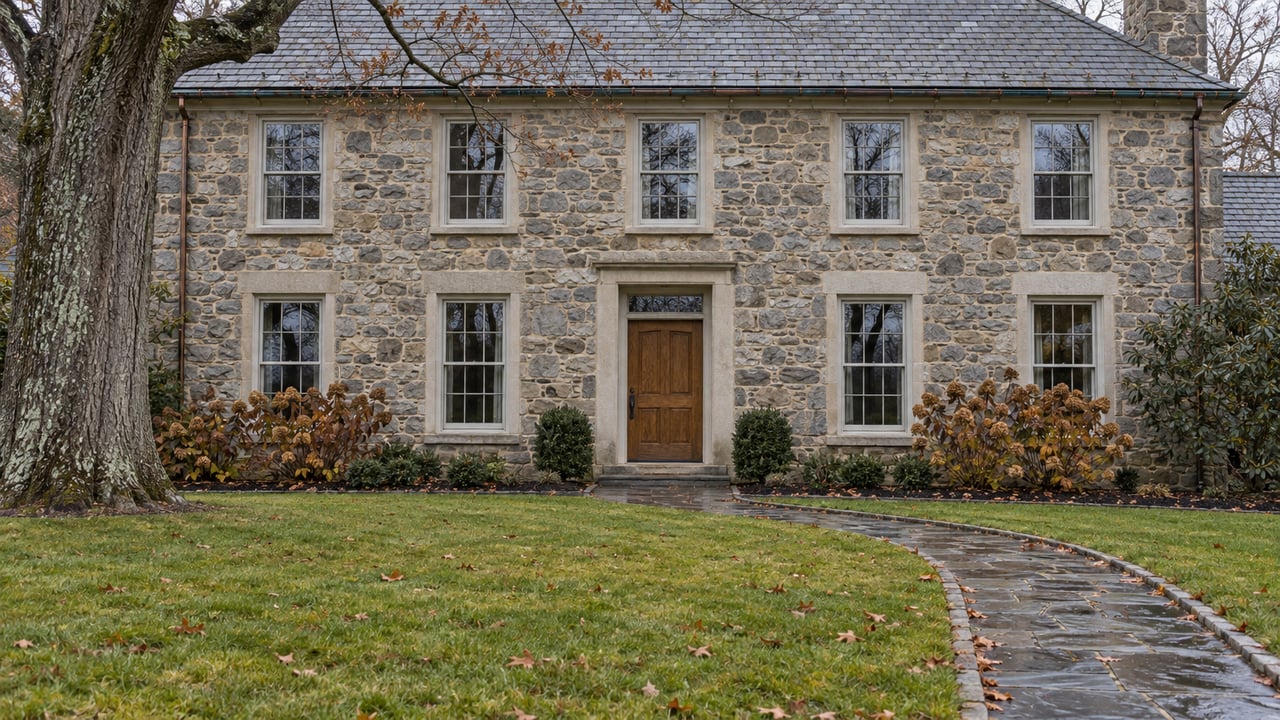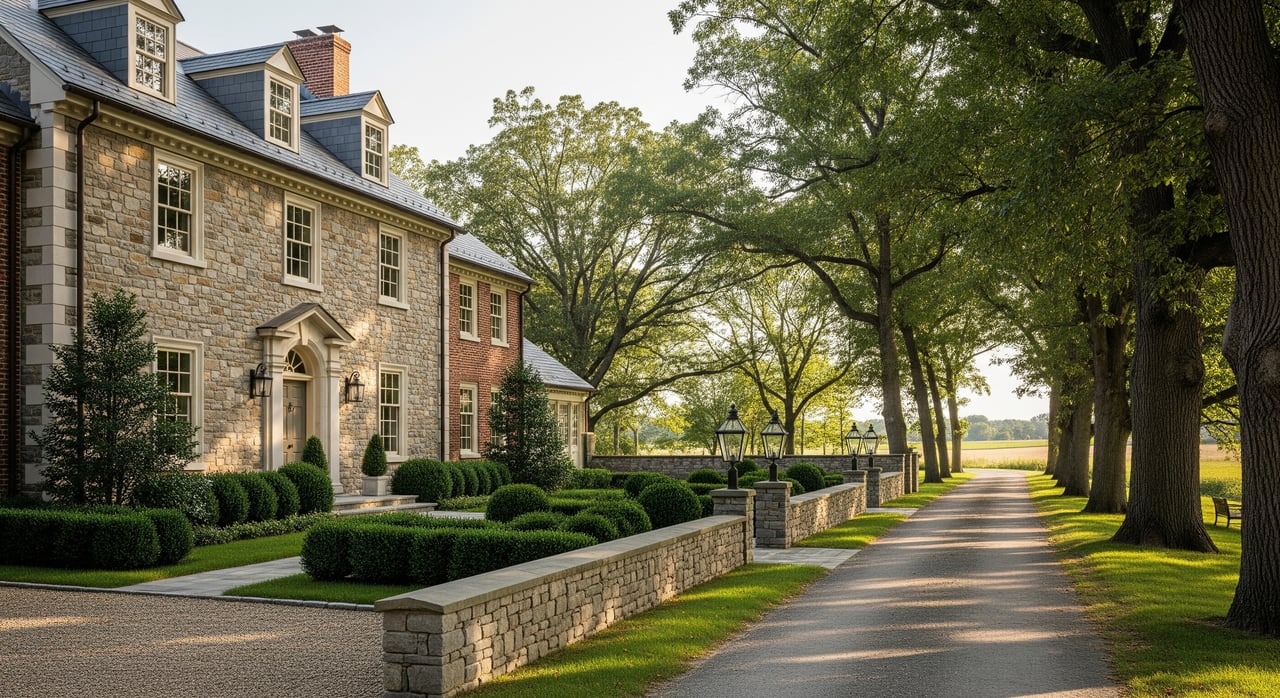
Thinking about bringing a Chadds Ford original into the modern day without losing its soul? If you own a historic or architecturally unique home, you likely want smarter systems and better flow while preserving craftsmanship that defines the Brandywine Valley. A home equity line of credit, or HELOC, can fund that work with flexibility if you structure it well. Below, you’ll learn how HELOCs work, how appraisals treat historic features, and how to stage draws so you avoid overcapitalizing before a future sale. Let’s dive in.
HELOC basics for renovations
How a HELOC works
A HELOC is a revolving line of credit secured by your home. You access funds during a draw period, typically 5 to 10 years, and then repay over a period that often ranges from 10 to 20 years. Many HELOCs have variable rates tied to Prime plus a margin. You can draw as needed and repay, much like a credit card, up to your approved limit.
Costs and rates to expect
Most HELOCs charge interest at a variable rate, and some let you convert a portion of your balance to a fixed rate. You may see upfront costs such as appraisal, title, or closing fees, plus possible annual fees. Many products do not include prepayment penalties, but you should confirm terms with your lender. Keep total costs in mind when comparing products, not just the rate.
CLTV and approval basics
Lenders look at your combined loan to value, or CLTV. They add your current mortgage balance to your HELOC limit, then divide by your appraised value. For many borrowers, CLTV caps fall around 80 to 90 percent, though unique or historic homes can face more conservative limits. Underwriters also review your credit, debt to income, liquidity, and the property’s marketability.
Appraisals for historic Chadds Ford homes
How appraisers value unique homes
Appraisers in our region rely on the Sales Comparison Approach when comps exist. For historic properties, they may blend this with the Cost Approach to capture custom elements such as millwork, stonework, or original windows. Because truly similar comps can be scarce, adjustments and narrative commentary carry more weight. The goal is to reflect what buyers in Chadds Ford will pay for preserved character alongside modern function.
Documents to give your appraiser
Provide a complete package. Include any historic designation records, photos of original features, and permitting history. Share detailed contractor bids with line items, plus before and after renderings if available. The more clarity you provide on scope and finishes, the easier it is for an appraiser to translate your plan into market value.
Features buyers value locally
In the Brandywine area, buyers often prize preserved character paired with reliable systems. Thoughtful kitchen and bath updates that respect the home’s style can support marketability. Upgrades to HVAC, roofing, electrical, and plumbing are important when presented with documentation. Floor plan improvements that fix functional obsolescence can help, provided they stay in harmony with the home’s architecture.
Draw strategies that protect your budget
For small to mid-size projects
Use a standard HELOC with flexible access. Draw only when invoices are due to limit interest. Tie each draw to a clear contractor milestone and retain 5 to 10 percent personally until final punch list completion. Keep a simple draw log to track date, amount, and purpose.
For large, multi-phase work
Plan staged draws aligned to major milestones such as structural adjustments, rough mechanicals, finishes, and exterior restoration. Ask your lender in advance about inspections and holdbacks for each stage. If your lender will not structure staged draws, consider whether a construction-to-permanent loan suits the scope better. Align your contractor’s schedule with the draw calendar so work is never waiting on funds.
Manage cash and contingencies
Historic renovations uncover surprises. Maintain a contingency reserve of 10 to 20 percent of the project cost. Avoid drawing your entire limit early. Keep a project binder with contracts, permits, change orders, paid invoices, and dated photos. This supports lender reviews, appraisals, and your future listing.
Plan around local rules and timelines
Permits and historic review
If your home is in a designated historic district or holds local landmark status, you may have design guidelines to follow. Contact the Chadds Ford Township Building and Zoning office to confirm permitting requirements and any architectural review. The Delaware County Historical Commission and other municipal boards may also be involved. Build review timelines into your draw schedule so inspections and approvals do not delay contractors.
Incentives and tax credits
Federal historic rehabilitation tax credits generally apply to income-producing properties, not owner-occupied homes. State and local incentives evolve, so check with the Pennsylvania Historical and Museum Commission and Delaware County resources for current programs. Even without credits, your documentation of historically appropriate methods can strengthen buyer confidence at resale. Keep all approval letters and compliance records organized for your appraiser and future buyer.
Avoid overcapitalizing before a sale
Set a spend cap tied to resale
Start with a realistic post-renovation price range and work backward to a maximum budget. Include selling costs and a buffer for market shifts. Your cap helps you decide which line items deserve HELOC dollars and which should wait. A data-informed cap is your guardrail.
Sequence high-ROI upgrades
Lead with updates that buyers consistently value in our region, such as kitchens, updated baths, mechanical systems, and curb appeal executed with historically appropriate materials. Use regional Cost vs. Value data to guide your prioritization. Save decorative or highly specialized restorations for later phases unless they correct a functional issue. Document any hidden upgrades that improve comfort and efficiency without impacting the home’s character.
Prep for the market and appraisal
As work nears completion, request a market check to confirm likely list range. Provide before and after photos and detailed invoices to your appraiser. Clearly label preserved components and new systems with model numbers and warranties. This clarity can support both valuation and buyer confidence.
When a HELOC is not the best fit
Consider these alternatives
If your project is large, structural, or needs strict lender oversight, a construction-to-permanent loan may suit you better. For a single fixed payment or rate stability, a fixed-rate home equity loan or a cash-out refinance can be more appropriate. Program options such as FHA 203(k), Fannie Mae Homestyle Renovation, and Freddie Mac CHOICERenovation may serve certain scenarios. Evaluate product fit, timeline, oversight needs, and the exit strategy together.
Quick homeowner checklist
- Confirm any historic designation and required reviews with local authorities.
- Gather two to three detailed bids with line-item pricing and schedules.
- Speak with at least two lenders about CLTV limits, appraisal requirements, fees, and any staged draw or holdback policies for historic homes.
- Consult an appraiser experienced with Chadds Ford and historic properties for a pre-renovation marketability read.
- Sequence work to deliver marketable improvements first and maintain a 10 to 20 percent contingency.
- Keep meticulous records: permits, inspections, change orders, paid invoices, photos.
- Before listing, obtain a post-rehab valuation check and assemble a documentation packet for buyers.
- Coordinate with your lender on HELOC payoff and title steps before closing.
Ready to explore your renovation and sale path in Chadds Ford with a plan that protects value? Connect for a confidential strategy session tailored to your property and timing. Request a Private Consultation with BlackLabel.
FAQs
What is a HELOC and how does it fund historic renovations?
- A HELOC is a revolving credit line secured by your home that lets you draw funds during a 5 to 10 year period and repay over 10 to 20 years, which makes it useful for staged renovation work on historic properties.
How do lenders set my HELOC limit on a unique Chadds Ford home?
- Lenders calculate combined loan to value by adding your first mortgage and HELOC limit, dividing by the appraised value, and often capping around 80 to 90 percent with more conservative limits likely for historic or unique properties.
Will I need a full appraisal for a HELOC on my historic house?
- Many lenders require a full interior appraisal for higher HELOC limits or when a property is unusual, while smaller lines may use automated valuations or drive-by inspections.
How should I plan HELOC draws during restoration?
- Align draws to contractor milestones, keep a personal retainage of 5 to 10 percent until completion, draw only when invoices are due, and maintain a 10 to 20 percent contingency for surprises.
What if I plan to sell after renovations?
- Set a budget cap tied to a realistic post-renovation price range, prioritize upgrades buyers value, document work thoroughly, and confirm payoff steps for any HELOC balance before closing.