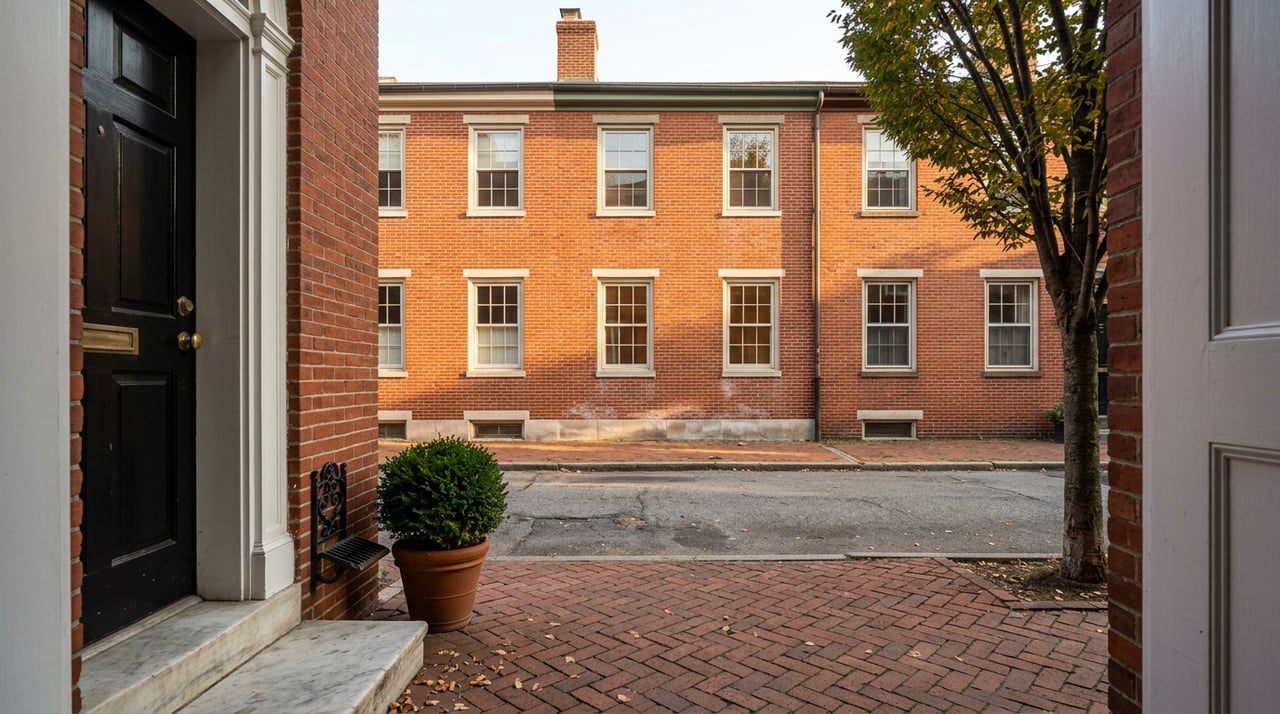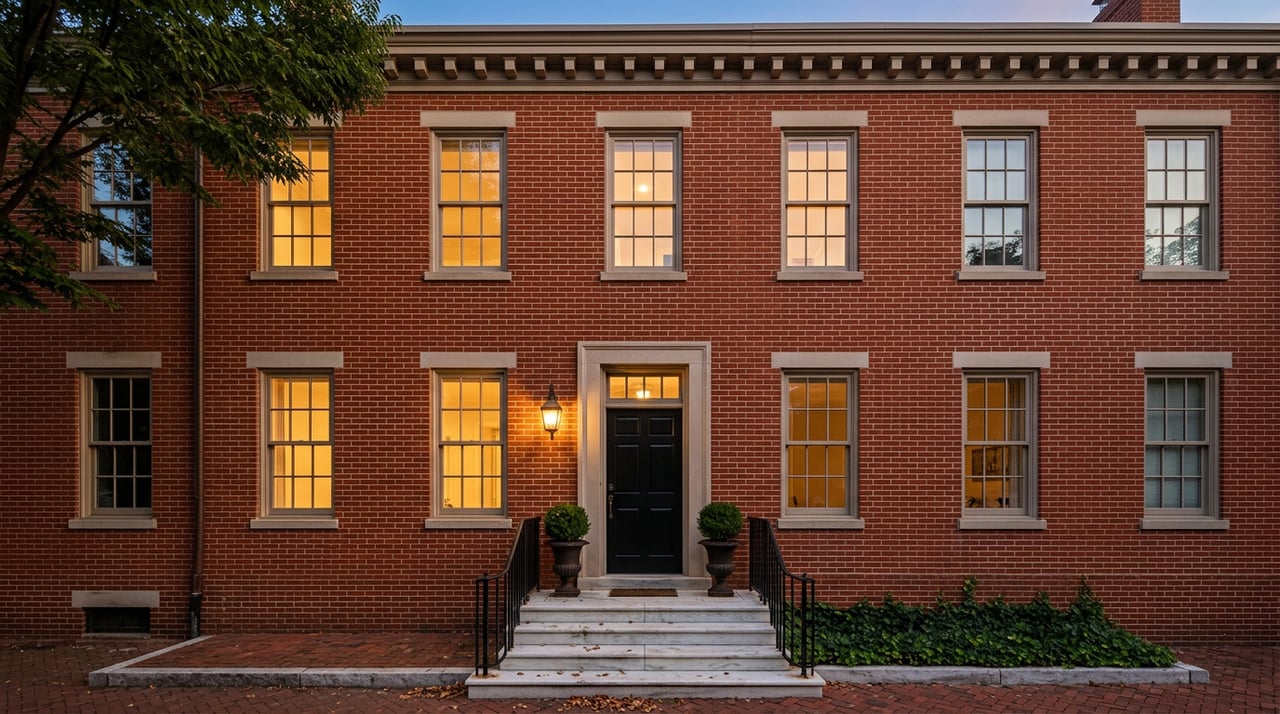
At the corner of Third and Chestnut, the ground floor of the Society Hill Hotel has hosted an oyster bar, a hotel restaurant that lasted eighteen months, and now, since mid-February, an Italian kitchen called Piccolina. The building itself has stood since 1832. The room at street level, by contrast, seems to reinvent itself every few years. That contrast is the whole story of how this neighborhood actually works, and it's easy to miss if you only pay attention to what's new.
A Corner That Keeps Changing Its Kitchen
The previous restaurant in that space closed on December 31, its co-owner Mike Cangi announcing the news in a Facebook post after eighteen months in business. Six weeks later, the Philadelphia Inquirer reported that Michael and Jeniphur Pasquarello, the husband-and-wife team behind 13th Street Kitchens, had opened Piccolina in the same room, a compact corner that was originally an oyster bar back in 1830. The couple's restaurant history goes back to 2003 and a Callowhill bruncherie called Cafe Lift. Piccolina is their return to South Philadelphia flavors filtered through chef Alex Vazquez, who spent five years working up from garde manger to sous chef at Vernick Food & Drink and Friday Saturday Sunday.
The room now runs on a handmade brick Marra Forni pizza oven, installed by the hotel's own owners before they closed their prior restaurant concept in the same space. Dinner runs nightly from 5 p.m., lunch started February 17, and weekend brunch followed on February 21. The menu leans into bucatini amatriciana, a campanelle vodka finished with stracciatella folded in tableside for a looser sauce, and a pork Milanese brined for a full day before it's breaded and fried. None of that is unusual for a good neighborhood Italian spot. What's unusual is how routine the turnover itself has become at this specific address. Two concepts, two closures or transitions, inside of a couple of years, on a corner that's been standing since Andrew Jackson was president.
Two Blocks South, the Market Hasn't Missed a Sunday in Decades
Walk two blocks south to Second and Lombard and the rhythm changes entirely. Every Sunday from 10 a.m. to 2 p.m., vendors set up under a covered row of brick pillars called the Shambles, part of a market building that dates to 1804 and sits on a market site that goes back to 1745. The Head House itself was designated a National Historic Landmark in 1966, and the surrounding blocks were listed as a historic district in 1972. The Food Trust, the nonprofit that has run the market program since 2007, calls Headhouse one of its largest markets in the city, with rotating and weekly vendors selling produce, baked goods, cheese, coffee, wine, and prepared foods under that same roof every week, all year.
The most notable change to the market in years wasn't a new vendor or a redesign. It was a rule. As of March 2, 2025, pets are no longer permitted inside the Shambles during market hours, with an exception for service animals. That's the kind of adjustment that only gets made to something that isn't going anywhere. Restaurants close when the math stops working. Institutions like this one get a policy memo.
Here's how the timelines actually compare when you line them up:
| What | How long it's been in place |
|---|---|
| Previous hotel restaurant at 301 Chestnut | 18 months, closed December 31 |
| Piccolina | Opened February 2026 |
| Headhouse Farmers Market program | Run by The Food Trust since 2007 |
| Head House building itself | National Historic Landmark since 1966 |
| The Twisted Tail's Whiskey Bonanza | 12th annual edition this September |
The restaurant column moves in months. The institution column moves in decades. That's not a coincidence of this particular corner. It's how the neighborhood is built.
The Nights That Don't Depend on Any One Restaurant Surviving
The same pattern shows up in how Society Hill fills its fall calendar. None of the neighborhood's most reliable nights out depend on a single kitchen staying open.
The Twisted Tail, the whiskey bar and live blues room that anchors Headhouse Square, holds its 12th Annual Whiskey Bonanza on September 24, an event that has now outlasted more than one restaurant cycle at the corner up the street. A dozen years of the same tasting format on the same block says something the restaurant turnover doesn't: some businesses here are built to be institutions from the start, not just occupants.
The Philadelphia Society for the Preservation of Landmarks runs a parallel calendar that most visitors never notice because it isn't tied to a kitchen at all. Their fall series takes place inside two of Society Hill's actual historic houses:
- October 16, 6:30 p.m., Hill-Physick House — a Madeira tasting paired with a talk from wine historians Mannie Berk and Aaron Nix-Gomez, who have spent nearly fifteen years researching how the fortified wine was imported and consumed in colonial America.
- November 20, Powel House — a talk on the brewing of porter in colonial America, held inside one of the neighborhood's best-preserved 18th-century homes.
- This Halloween, Hill-Physick House — an annual fundraiser called the Spooky Speakeasy, a Roaring Twenties themed evening with a costume contest, held to help preserve the house itself.
None of these events exist because a restaurant survived long enough to host them. They exist because the buildings did.
Reading the Corner Right
It's tempting to read Society Hill through its restaurant news, because that's the news that shows up first. A new chef, a new menu, a pizza oven installed by one owner and inherited by the next. But a corner that changes hands every year and a half isn't evidence that the neighborhood is unsettled. It's evidence that the neighborhood is stable enough to absorb that kind of churn without losing its shape. The market under the Shambles doesn't care who's cooking at Third and Chestnut. The Twisted Tail doesn't need Piccolina to succeed in order to sell out its 12th Whiskey Bonanza. The Hill-Physick House will pour Madeira in October whether or not the restaurant two blocks north is still called Piccolina by then.
If you live here, that's the useful way to track the neighborhood: not by what just opened, but by what's still running when the next thing opens after it. Society Hill's actual personality is written into the things that don't need a grand reopening to matter.
For those who want a closer read on a specific block, building, or property here, BlackLabel keeps a running account of what's changing and what's holding steady across Society Hill and the rest of Greater Philadelphia. Request a private consultation when you're ready to talk specifics.