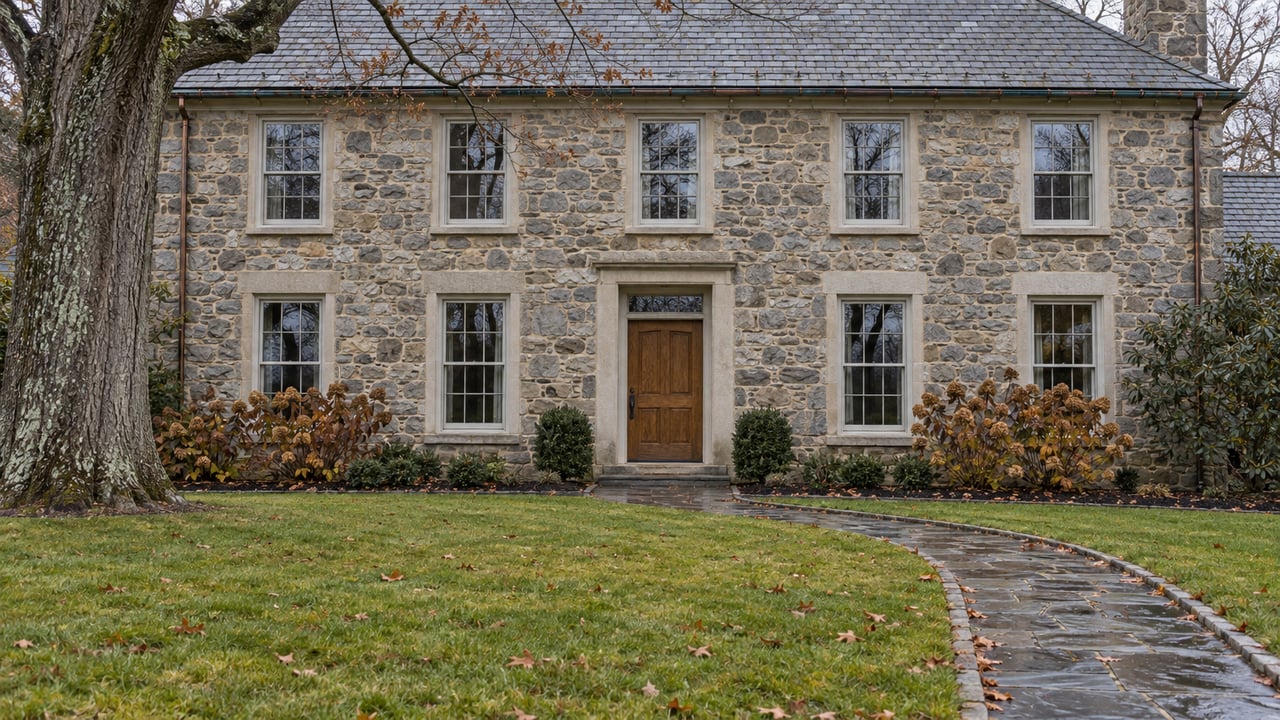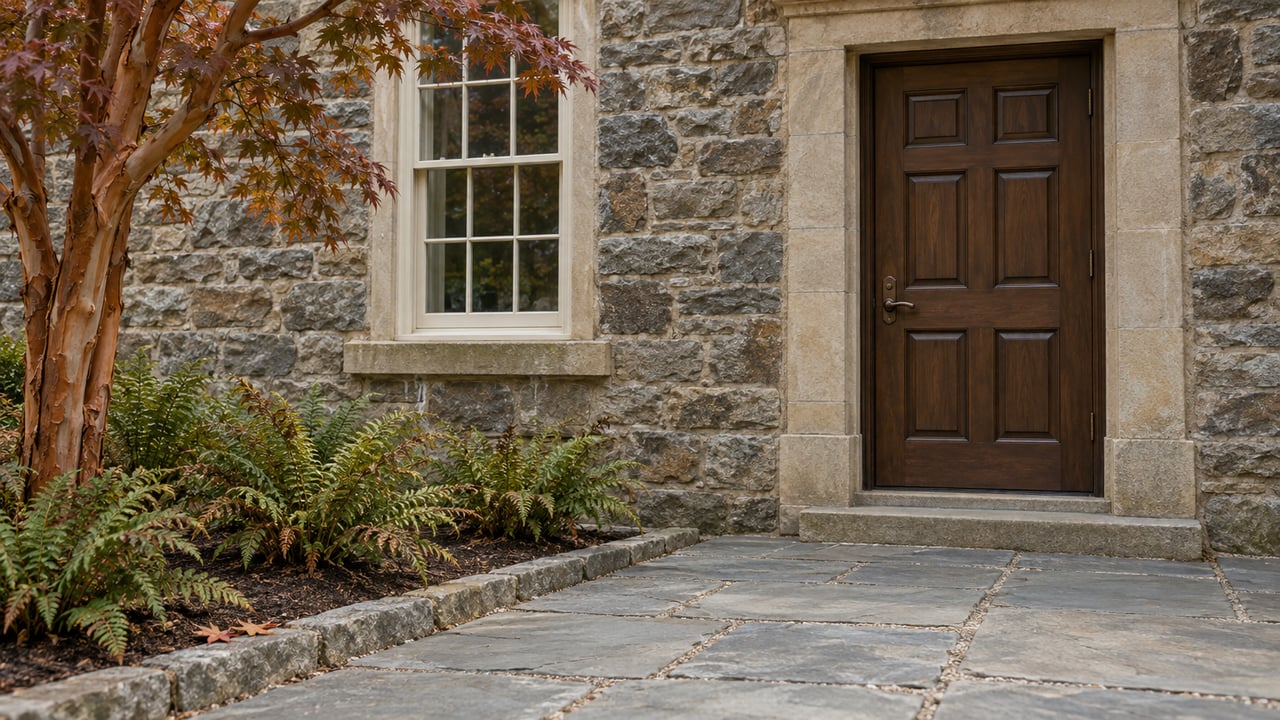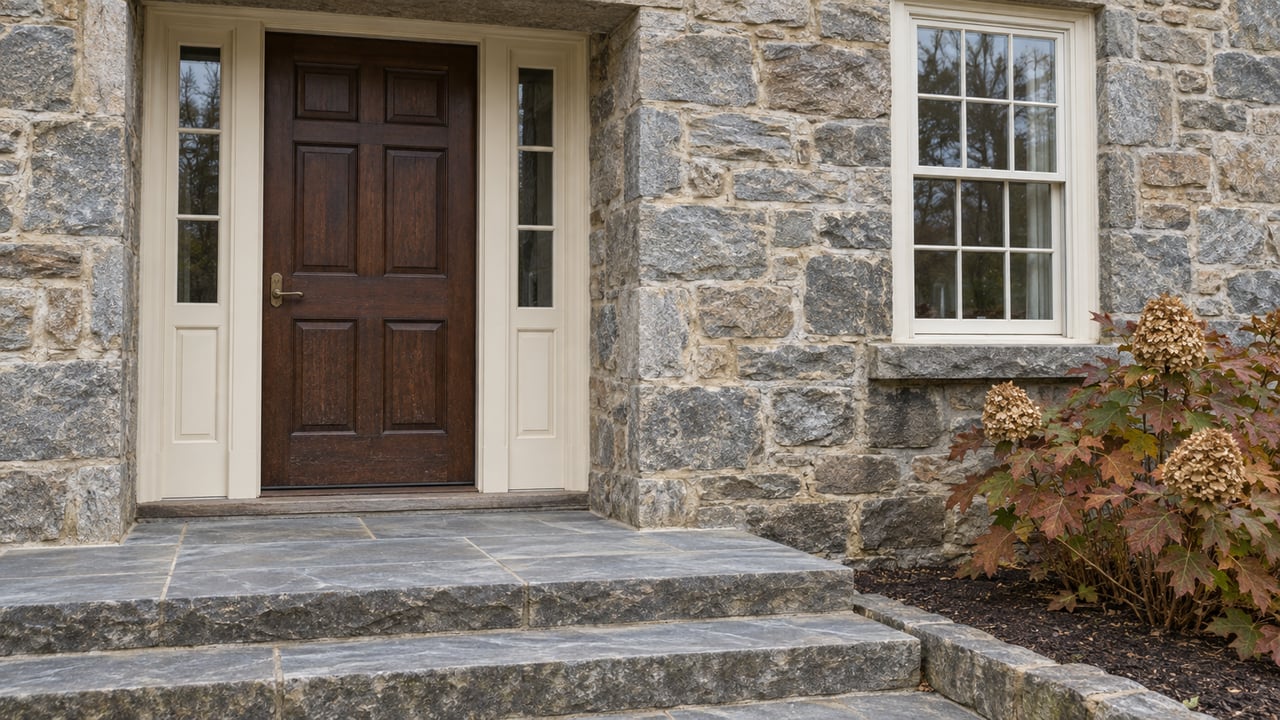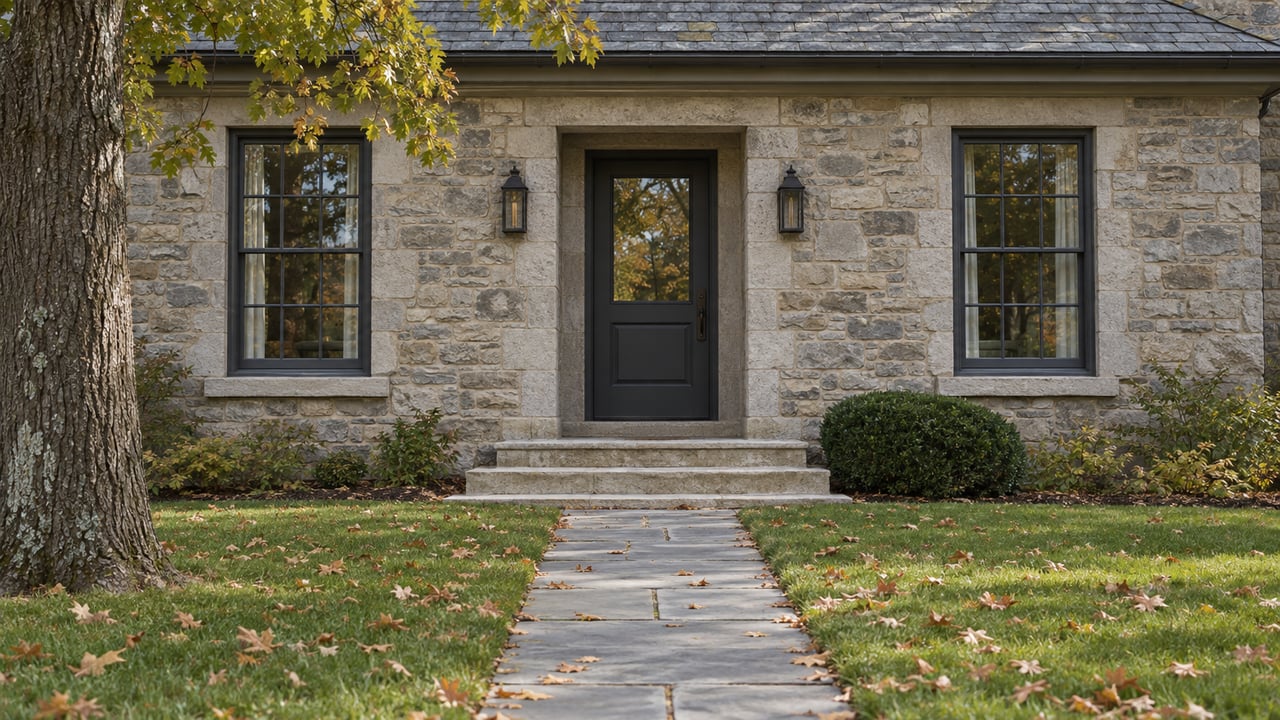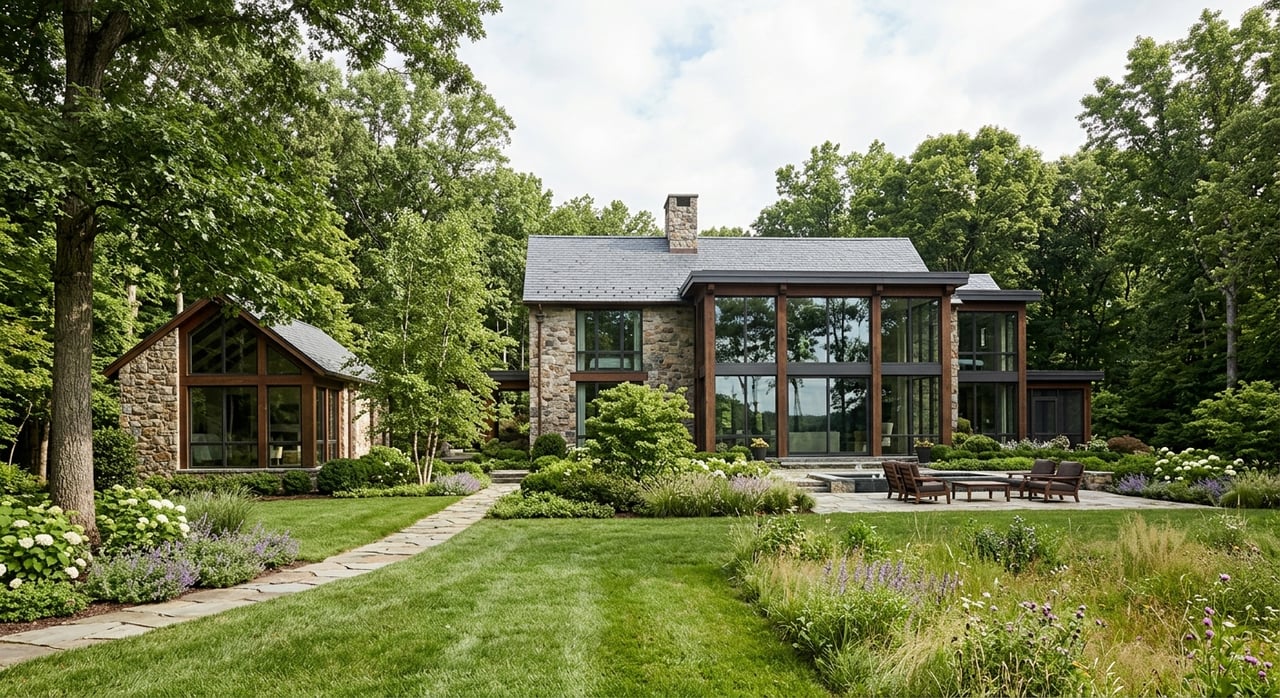
If you are looking for a Chadds Ford estate with land, you are not just buying square footage. You are buying into a landscape shaped by preservation, zoning, and long-term planning. That can be a major advantage if you want space, privacy, and lasting scenery, but it also means you need to evaluate the land as carefully as the house. Let’s dive in.
Why Chadds Ford land is different
In Chadds Ford, land carries a different set of expectations than it does in many suburban markets. The township’s zoning framework is designed to protect natural, scenic, and historic values, and to preserve rural character through low-density development. In practical terms, that means your acreage may feel more protected, but it may also come with tighter rules about what can be built or changed later.
That preservation mindset is reinforced by township planning documents, including the 2017 Comprehensive Plan and 2018 Open Space Plan Update. The township also authorizes work to identify land suitable for open space, wetlands, conservation, and passive recreation. If you are moving from a more conventional luxury market, this is one of the first mindset shifts to understand.
The broader Brandywine Valley adds another layer. The Brandywine Conservancy was founded in Chadds Ford to help protect the valley from industrial development and now reports that it holds more than 500 conservation easements and protects over 70,000 acres in Pennsylvania and Delaware. For you as a buyer, that helps explain why the setting feels unusually intact and why due diligence on land restrictions matters so much.
Start with zoning, not marketing
When you are evaluating an estate property with land, the exact zoning district matters more than the way a listing is described. In Chadds Ford, the rules can differ meaningfully between R-1, R-2, CC, and MC districts. Before you assume a parcel will support your long-term plans, confirm what district applies and whether any overlay, conservation area, or historic district affects the property.
In the R-1 and R-2 zoning standards, lot size and site limits are very different. In R-1, a conventional detached home requires a minimum of 2 acres, with 15% maximum building coverage, 20% maximum impervious coverage, and 60% minimum green area. In R-2, a conventional detached home requires a minimum of 1 acre, with the same 15% building coverage cap but a 25% impervious coverage limit and 55% minimum green area.
Those numbers matter because they affect more than the original home. They can influence whether you can expand a driveway, add a detached garage, build a pool house, or create another accessory structure later. A beautiful estate lot may still have meaningful limitations once setbacks, coverage, and building envelope rules are applied.
Some larger parcels may fall in other districts. The CC District is intended for educational, cultural, environmental, and institutional uses and also aims to preserve scenic, historical, architectural, cultural, and artistic heritage. The MC District is designed to protect publicly owned land and open character, with a 10-acre minimum and 20% maximum impervious coverage.
Understand open-space conservation rules
Chadds Ford also offers an open-space conservation option in both R-1 and R-2. This is not a minor technical detail. It is a conditional-use path intended to preserve open space, and it can shape how a parcel is used over time.
Under the open-space conservation provisions, 40% of the gross lot area must remain open space. Applicants are also asked to identify natural, historical, cultural, and scenic vista features. For R-2 properties using this option, public sewer and water are required.
For you, the takeaway is simple: acreage does not always mean flexibility. In some cases, a property’s appeal comes precisely from the fact that part of the land is expected to remain open. That can support the setting and long-term enjoyment of the property, but it should be understood before you buy.
Ask whether the land is truly likely to stay open
One of the biggest questions buyers ask in the Brandywine Valley is whether neighboring land will remain as it is today. The answer depends on the specific parcel and nearby ownership patterns. Some adjacent land may be protected by a conservation easement, owned by a public entity, or controlled by a preservation-focused nonprofit. Other land may still be buildable under current zoning.
The Brandywine Conservancy’s explanation of conservation easements is useful here. A conservation easement is a legal agreement that can permanently protect open space, natural and water resources, agricultural land, and historic sites. If a view or pastoral setting is central to your decision, it is worth confirming whether that setting is legally protected or simply undeveloped today.
There is also a value component to this conversation. USDA Forest Service research indicates that well-designed open-space conservation can increase property values, although the effect depends on location, size, and spatial arrangement. In Chadds Ford, that means preserved land may support demand, but the premium is highly site-specific and should never be assumed from acreage alone.
Review outbuildings and future improvements early
Many estate buyers want more than the main house. You may be thinking about a barn, detached garage, pool house, studio, or equipment building. In Chadds Ford, those features are possible in some cases, but they are not automatic.
The township’s accessory structure rules make that clear. Accessory structures are generally expected to remain within the building envelope unless specifically permitted. For sheds in residential districts, a zoning permit is required, the shed must be at least 10 feet from the side or rear lot line, it cannot have water or sewer connections, and if it sits outside the building envelope it cannot exceed 180 square feet or 10 feet in height.
Visual impact also matters. Under the township’s landscaping and screening rules, new accessory structures or buildings proposed within 100 feet of lot lines in R-1 and R-2 may need screening with evergreen plantings or fences, depending on the existing shade canopy at the lot line. On a larger estate parcel, that means site design is often part of the approval conversation.
Driveway placement can affect your options too. In R-1 and R-2, driveways, private streets, and fire lanes may not be located within 10 feet of side or rear lot lines. That can shape where future improvements can realistically go, especially on irregularly shaped parcels.
If you want horses or hobby farming, verify the details
Some buyers are drawn to Chadds Ford because the land feels usable, not just scenic. If you are considering horses, hobby farming, or another agricultural use, it is important to verify what the code allows and what additional standards apply.
The R-1 district regulations expressly list agriculture or agricultural operations as an accessory use to a single-family dwelling. The code also states that livestock and poultry shelters must meet additional setbacks, including a 100-foot minimum from wells, springs, sinkholes, adjacent property, ponds, lakes, or streams. Agritourism and roadside stands require township approval or a zoning permit.
That means the land may support more than lawn and landscaping, but it is not a blank slate. If a specific use is important to your lifestyle, confirm whether it is allowed by right, requires a permit, or involves a conditional-use process.
Watch for approvals, stormwater, and hidden costs
A large parcel can create flexibility, but it can also create added complexity. Before you assume you can split land, create a multi-structure layout, or add significant new site improvements, review the township approval process carefully.
The subdivision and land development ordinance applies not only to new subdivisions but also to many multi-structure development situations. The same ordinance states that land disturbance over 4,000 square feet is regulated by stormwater management rules. Those requirements can affect cost, timing, and feasibility.
This is one of the most common surprises in acreage purchases. The visible value of land is only part of the equation. The less visible part involves what approvals are needed, where improvements can sit, and what site work may be required to move forward.
Check for historic district review
In parts of Chadds Ford, exterior changes are not solely a private design decision. If a property lies within one of the township’s historic districts, there may be an extra layer of review before work begins.
According to the township’s HARB materials, new construction and exterior changes within the historic districts require HARB review and a Certificate of Appropriateness before a building permit is issued. If you are considering a renovation, addition, or replacement outbuilding, that review process should be part of your early due diligence.
For many buyers, this is not a drawback. It is part of what helps preserve the visual and architectural continuity that makes Chadds Ford distinct. Still, it is best to understand the process upfront.
Consider the lifestyle beyond the property line
Buying an estate in Chadds Ford is also about the setting around you. The area is defined by a preserved landscape, cultural institutions, trails, and historic resources that give the Brandywine Valley its identity.
The township describes the Brandywine Valley National Scenic Byway as a protected scenic landscape shaped by conserved agricultural assets and preservation efforts. Nearby, Brandywine Battlefield Park, the Brandywine Museum of Art campus, and the Harvey Run Trail all contribute to the area’s appeal.
Chadds Ford is also evolving. The township says the Walkable Chadds Ford project is intended to improve pedestrian safety and mobility along the Route 1 corridor between Brandywine Battlefield and Chadds Ford Village. If you are buying near the village core, that may influence access patterns and corridor character over time.
A smart due diligence checklist
Before you move forward on a Chadds Ford estate with land, it helps to review a short list of property-specific questions:
- What is the exact zoning district?
- Is the parcel also in a historic district, overlay, or conservation area?
- Is there a conservation easement on the property or neighboring land?
- What portion of the lot is inside the building envelope?
- What are the setback, impervious coverage, and green area limits?
- Can you add the outbuildings or site features you want later?
- Will any future work trigger stormwater review or land development approval?
- Are there existing or planned corridor improvements nearby that could affect access or setting?
A Chadds Ford estate can offer exceptional privacy, beauty, and long-term enjoyment. The key is making sure the land supports your goals as well as the house does.
If you are considering a purchase in Chadds Ford or anywhere in the Brandywine Valley, Black Label can help you evaluate the property beyond the listing sheet, with a discreet, detail-driven approach tailored to estate-level buying decisions.
FAQs
What should you check first when buying land with a Chadds Ford estate?
- Start with the exact zoning district, then confirm whether the property is also subject to a historic district, conservation easement, overlay, or other special review.
Can you add a barn or pool house to a Chadds Ford estate later?
- Possibly, but it depends on the building envelope, setbacks, screening requirements, driveway placement, and whether the property is subject to HARB review or a conservation easement.
Does acreage in Chadds Ford mean the surrounding land will stay open?
- Not always. Nearby land may be permanently protected by a conservation easement or public ownership, but some neighboring parcels may still be buildable under current zoning.
Are agricultural uses allowed on Chadds Ford estate properties?
- Some are, especially in R-1 where agriculture can be an accessory use to a single-family dwelling, but specific structures and uses must still meet setback and permit requirements.
Do estate properties in Chadds Ford face more approval requirements than typical suburban homes?
- Often, yes. Depending on the parcel and your plans, you may need zoning review, stormwater compliance, subdivision or land development approval, or historic district review.
Why do Chadds Ford estate properties feel different from other luxury markets?
- The township’s planning and zoning framework prioritizes open space, scenic resources, and historic character, which helps preserve the setting but also makes land use more site-specific.