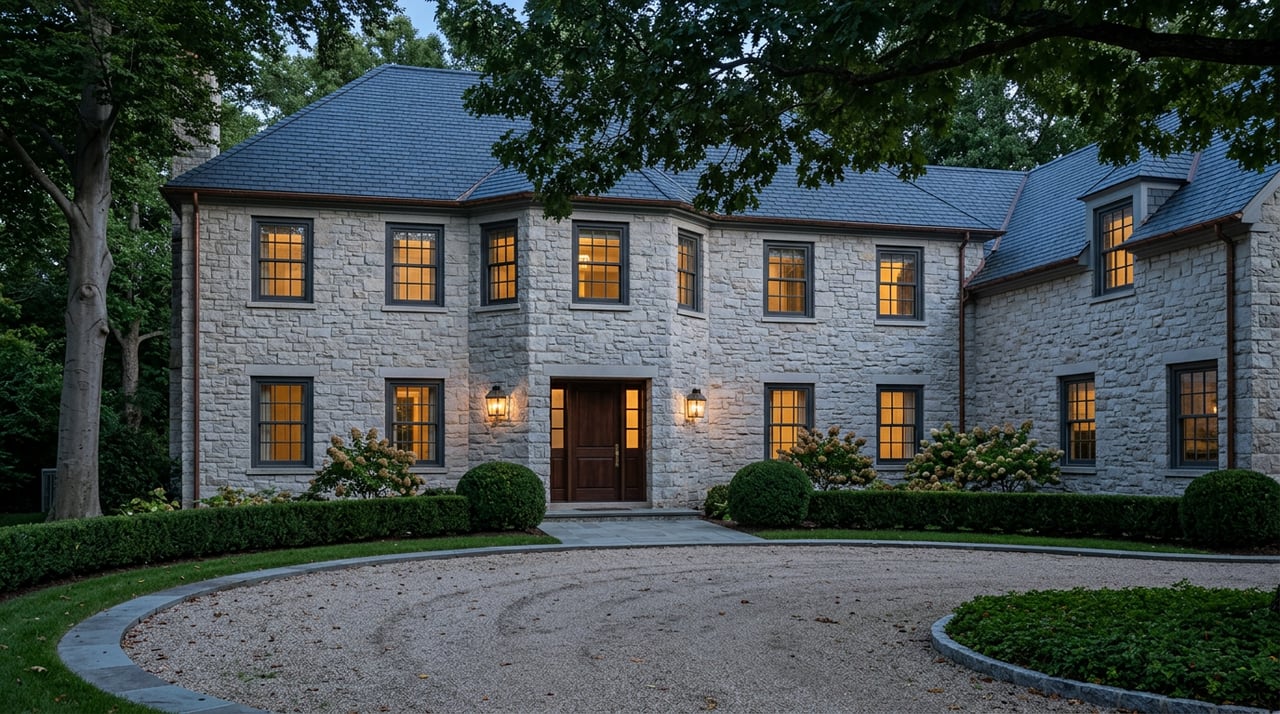
Looking for more than a big house and a long driveway? In Villanova, estate living means privacy, pedigree and purposeful land that supports the lifestyle you want. You may be weighing historic character against modern systems, or conservation value against expansion options. In this guide, you will learn how to define “estate‑caliber,” what to verify before you buy, and how to evaluate long‑term stewardship so you can move forward with clarity. Let’s dive in.
What defines an estate in Villanova
Estate‑caliber properties on the Main Line typically sit on large, private parcels, often one acre or more, with some tracts spanning well beyond that. Many pair architectural pedigree with mature landscapes, outbuildings and purposeful amenities. A recent high‑profile example, Hopelands on the historic Ardrossan tract, shows the scale and craftsmanship buyers compare against when shopping at this level. You can see how the market frames that standard in coverage of the Ardrossan estate and Hopelands.
Common estate features include:
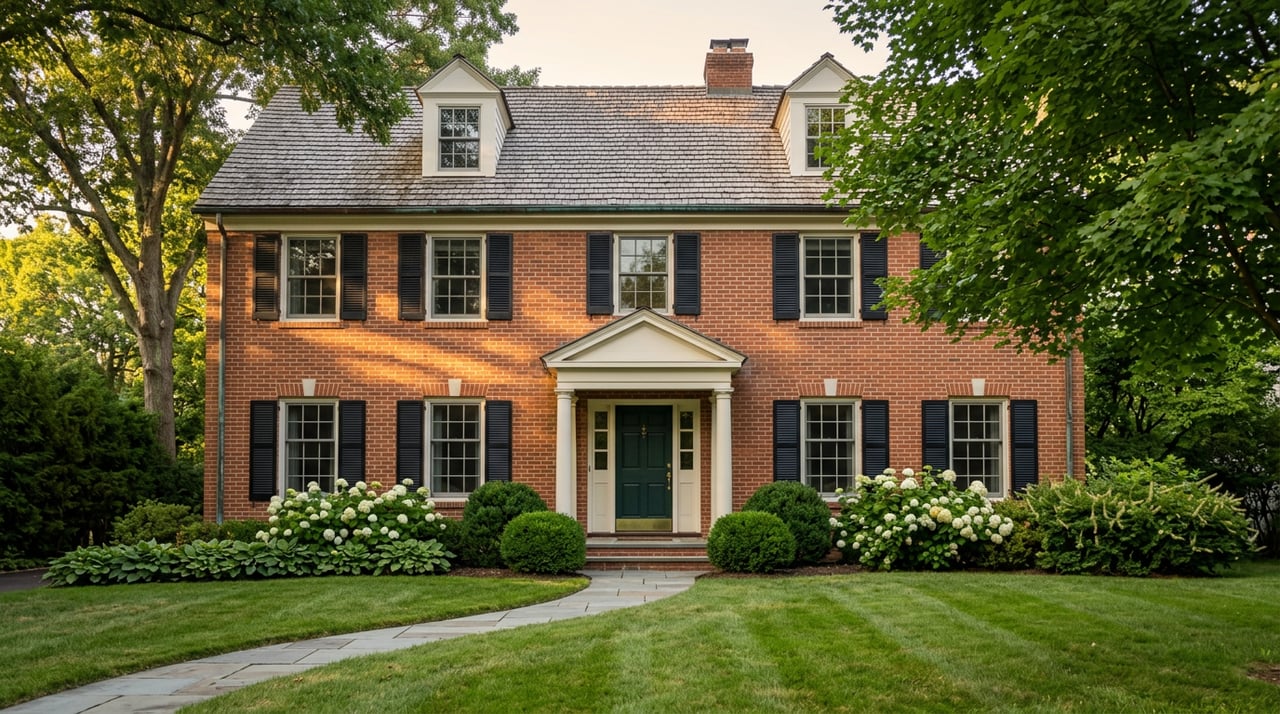
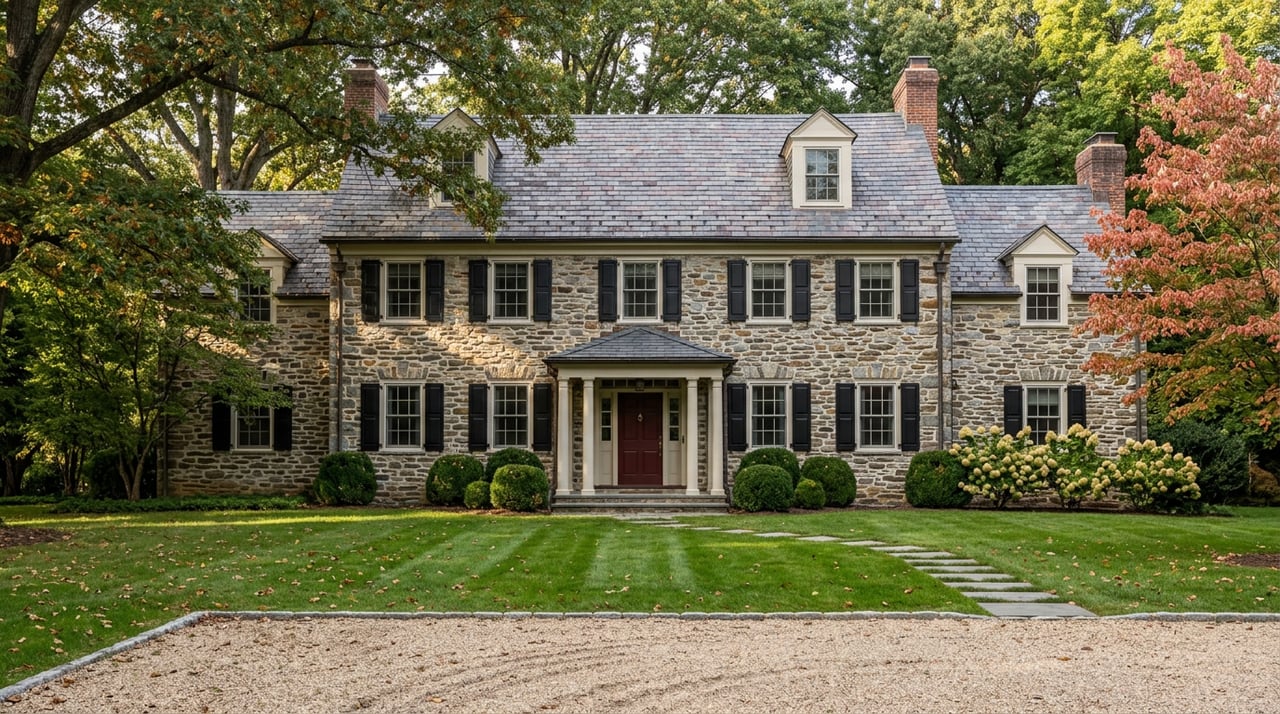
- Architecturally significant main house, such as Georgian, Tudor, Colonial Revival or French Provincial.
- Mature woodlands, long views and landscaped grounds, sometimes with conservation easements.
- Purpose‑built amenities like a guest or carriage house, pool, racquets courts, paddocks or multi‑bay garages.
- In rare cases, specialized features like a helistop, subject to local approvals.
Conservation has shaped parts of Villanova’s landscape. Portions of Ardrossan were preserved through complex easement arrangements, which influence how neighboring properties think about land use. Reporting on those transactions highlights why you should review any easement terms closely for permitted uses and tax implications. For background, see this overview of conservation easements connected to Ardrossan.
Parcels, zoning and permissions
Villanova spans Radnor Township in Delaware County and Lower Merion Township in Montgomery County. This guide focuses on Radnor rules that often affect estate parcels in the Delaware County portion.
- Minimum lot sizes and utilities. Radnor’s code sets minimum lot areas when public water and sewer are not available. For example, 60,000 square feet if both are unavailable and 43,560 square feet if one is unavailable. This directly affects subdivision potential, accessory dwellings and private septic approvals. Review utility connections parcel by parcel. You can reference the Radnor Township zoning code for details.
- Lot averaging and open space. Tools like lot averaging and Agricultural/Conservation districts have been used to create larger “estate” lots or preserve open space. Confirm any recorded subdivision plans and deed restrictions.
- Accessory uses and unusual features. Radnor provides a permit path for helistops, with engineering, glide path and annual permit requirements, and has rules for accessory buildings, lighting and fencing. Factor these into plans for new outbuildings, tall screening or specialized amenities. See the code reference as a starting point.
- Historic and conservation overlays. Some parcels are subject to conservation easements or historic listings that govern exterior changes or set conditions for land management. Obtain the recorded documents and any monitoring history before closing. The Ardrossan conservation reporting explains how easements can shape use and value.
Practical next steps:
- Ask for the recorded deed, plat or survey, utility confirmations, and any easement documents.
- Order an ALTA/NSPS boundary survey and a title commitment early.
- Confirm past permits and any open violations with Radnor Township and Delaware County.
Architecture: old versus new
You will likely face a choice between a legacy estate and a newer build or major renovation. Each path offers strengths and tradeoffs.
- Legacy estates. Older Main Line properties often feature stonework, custom millwork and plaster, original windows and formal room hierarchies. These details drive desirability but can raise renovation and code‑upgrade costs. The Ardrossan examples, including Hopelands, reflect high pedigree and stewardship over time, as noted in regional coverage of those sales.
- Historic status. Some properties appear on federal or state historic lists. This can guide exterior changes and, in some cases, incentives. Check whether a property is listed among Pennsylvania resources on the National Park Service site.
- Systems and efficiency. Expect to assess electrical, HVAC, plumbing, drainage and stormwater systems. Plan for thorough mechanical and energy audits on older homes.
- New builds and large additions. Newer estates deliver modern circulation, expanded family or guest wings and current MEP systems. However, grading, utility connections and stormwater management can be costly and may require reviews. Obtain engineered plans and consult the township early.
Pro tip: For a legacy estate, commission a structural and envelope survey, roof and masonry reports, chimney review and a full mechanical inspection. For a new or expanded estate, request engineered site plans, erosion and stormwater plans, plus pre‑application feedback from Radnor.
Access and lifestyle context
Villanova’s proximity to Center City is a core advantage. The Paoli/Thorndale Regional Rail line serves Villanova Station, which many estate buyers use to balance privacy with a manageable commute. Review the Paoli/Thorndale schedule to map your typical trips.
Private clubs and recreation are part of the area’s social fabric. In Villanova, Radnor Valley Country Club offers golf, racquets and family amenities. Other historic Main Line clubs sit within a short drive. Membership details, including waitlists and reciprocals, change over time, so confirm directly with each club.
School assignment depends on municipal boundaries. Villanova addresses can fall in different townships and school districts. Always verify the specific school district for a property during due diligence, since this may affect taxes and future resale considerations.
For market context, regional reporting has ranked the 19085 ZIP among the nation’s Top 50 luxury ZIP codes. This suggests consistent demand and relative pricing strength compared with other enclaves. See the luxury ZIP code coverage for background, and rely on current MLS data for precise pricing.
Stewardship and ongoing costs
Owning land and buildings at this scale requires a clear stewardship plan. Instead of guessing a single percentage of home value, build a budget from the ground up.
- Grounds and landscape. Professional lawn fertilization alone is commonly quoted per acre and can cost several hundred dollars per application before you add pruning, seasonal labor, irrigation and snow clearing. Use a local contractor’s proposal to scale your plan. For context on per‑acre costs, review this lawn fertilization guide.
- Insurance. Estate properties often need larger limits and specialty coverage. Flood insurance pricing varies by risk zone and lender requirements; Pennsylvania averages cited by national analyses offer a starting point, but your FEMA zone will drive quotes. See this flood insurance overview as general context and engage a broker early.
- Taxes. County and school millages set a meaningful share of your annual carrying cost. As of today, local boards review millages yearly, and changes are reported through regional associations and municipal budgets. Check recent bills and assessor records, and follow local tax and municipal news summaries while under contract.
- Built assets. Plan for roofing, masonry, window restoration, pool and court maintenance, and periodic mechanical replacements. Historic materials can push certain line items into six figures depending on scope.
- Conservation easements. If your land includes an easement, there may be ongoing monitoring and specific vegetative management requirements. The Ardrossan reporting illustrates why these terms deserve early review.
A practical budgeting approach: obtain three independent long‑term estimates before closing. One from a landscape contractor, one from a building‑envelope specialist and one from a mechanical contractor. Model annual operating costs and a 10‑year capital plan so there are no surprises.
How to evaluate a Villanova estate
Use a disciplined process that blends land, structure and lifestyle due diligence.
- Land and title. Secure the recorded deed, surveys and any easements or covenants. Order an ALTA/NSPS survey and a title commitment to surface encroachments or restrictions.
- Utilities. Confirm public water and sewer connections with the township and providers. For private systems, require well yield tests, septic perc tests and as‑builts.
- Zoning and permits. Identify your zoning district, setbacks and accessory‑use rules. If you plan additions or new amenities like a guest house, screening, or a helistop, request a pre‑application meeting. Start with the Radnor code reference.
- Environment. Check FEMA flood maps, investigate wetlands or stream buffers and consider a Phase I environmental review if there is any industrial or fill history.
- Structure and systems. Commission full structural, roof, masonry, electrical and HVAC inspections. Add a chimney and drainage review for legacy estates.
- Trees and water. Bring in an arborist for specimen trees and evaluate irrigation needs. Review stormwater requirements for any planned alterations.
- Insurance and taxes. Obtain preliminary quotes for home, umbrella and flood. Request the most recent tax bills and check for special assessments.
- Clubs and community. If club access is important, confirm membership details and any waitlists directly with each organization.
- Market testing. Ask your agent for recent large‑lot comps and any off‑market trades that inform pricing, days on market and buyer profiles. The luxury ZIP ranking offers useful context on demand.
Buying strategy with Black Label
At this level, access and discretion matter as much as square footage. You want accurate land and code intelligence, early reads on off‑market opportunities and a team that can coordinate specialists without drama. Black Label’s concierge approach emphasizes privacy, curated inventory and vetted partners, so you can review the right properties with confidence and move quickly when it counts.
If you are considering estate living in Villanova, start your process with a quiet conversation. We can align your goals, outline a due‑diligence plan, and surface on‑ and off‑market options that fit both your lifestyle and long‑term stewardship expectations. Request a Private Consultation with Black Label.
FAQs
What makes a Villanova property “estate‑caliber”?
- Large, private parcels with architecturally significant homes, mature landscapes, and amenities like guest houses, pools or racquets courts; see the Ardrossan and Hopelands coverage for a local benchmark in scale and pedigree.
How do Radnor Township rules affect my plans?
- Minimum lot sizes, setbacks, utility availability and accessory‑use rules shape what you can build or add; start with the Radnor zoning code and request a pre‑application meeting for any major changes.
What should I know about conservation easements before buying?
- Easements can preserve open space and long views but may restrict construction, tree work and land use; obtain the recorded easement and monitoring history and review terms with counsel before you close.
How convenient is Villanova for commuting to Philadelphia?
- The Paoli/Thorndale Regional Rail serves Villanova Station, offering a reliable route to Center City; review the current schedule to map your likely commute times.
What ongoing costs should I expect with an estate property?
- Budget for scaled groundskeeping, specialty insurance, taxes, and periodic capital projects like roofing, masonry and mechanical replacements; build a 10‑year plan using vendor quotes rather than estimates.
How do school districts work in Villanova?
- Villanova spans multiple municipalities, and school district assignment is parcel specific; confirm the assigned district for any property during due diligence, since it can affect taxes and future resale.